

Bird Walk at Gorewada Biopark Lake Trail, Nagpur, Maharashtra
- Nagpur
- 12 April, 2026
- Rohit Hazare
About Gorewada Biopark Lake Trail
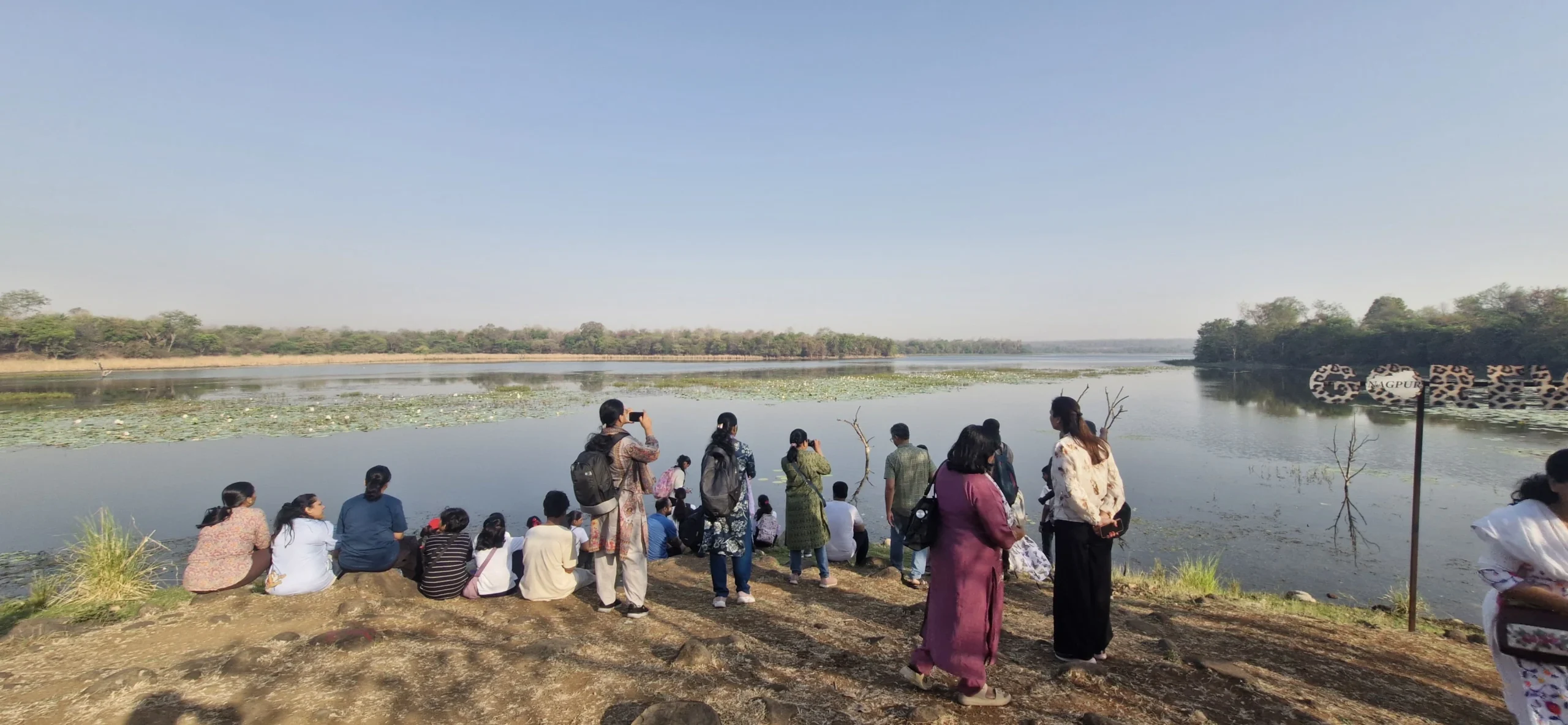
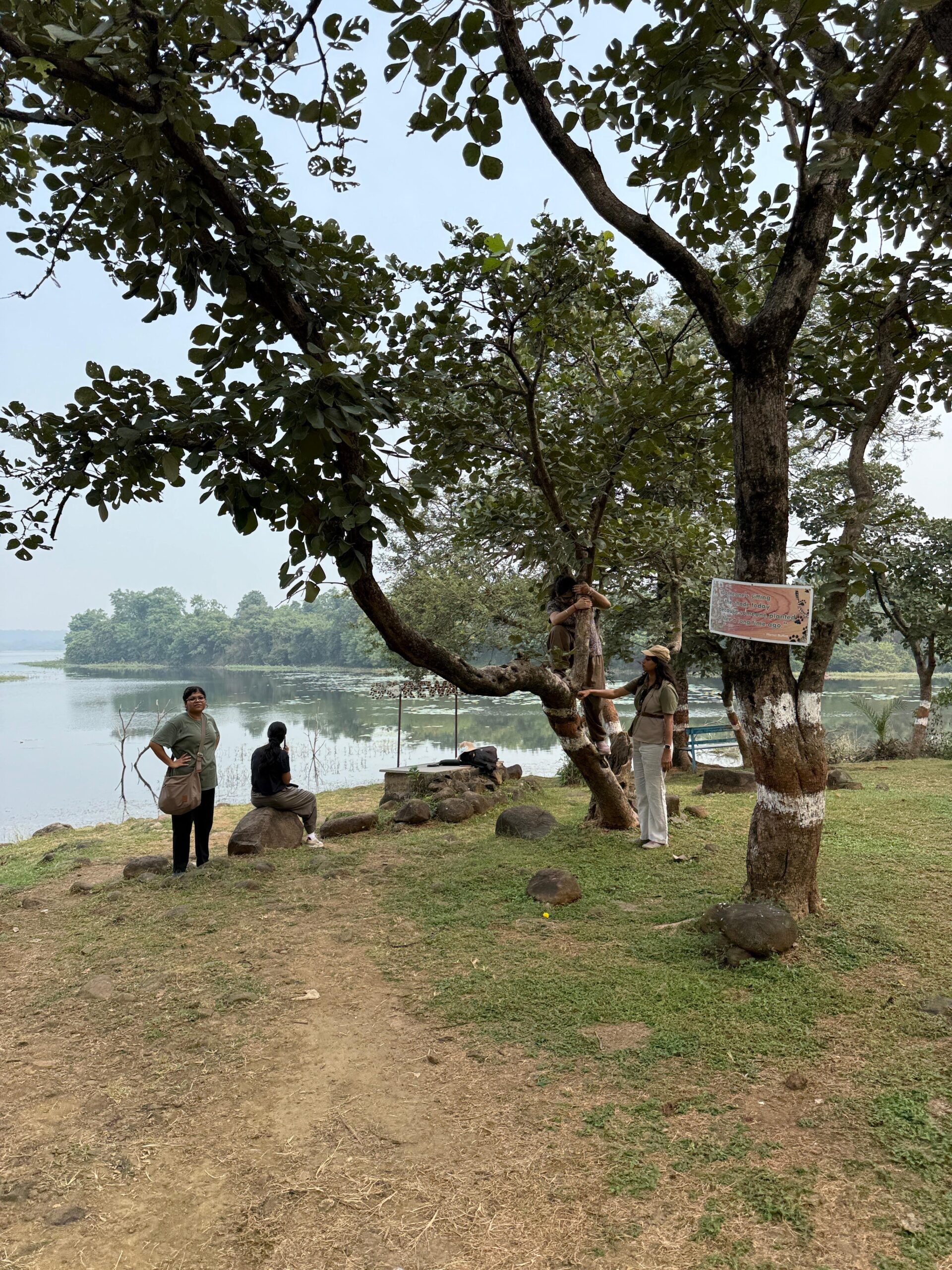
Set within the expansive green landscape of Gorewada Biopark, the Gorewada Lake Trail offers a refreshing escape into central India’s dry deciduous wilderness. The trail winds along the serene Gorewada Lake, surrounded by a mosaic of forest patches, scrubland, and open clearings that support a rich diversity of flora and fauna. Native trees like teak, tendu, and bamboo form the backbone of this ecosystem, while the waterbody sustains fish, amphibians, and a variety of insects. This blend of aquatic and terrestrial habitats creates a dynamic environment where wildlife thrives, making it an ideal destination for nature lovers and explorers.
For birders, the Gorewada Lake Trail is a rewarding hotspot, offering a mix of waterbirds, forest species, and raptors. Early mornings are especially vibrant, with calls echoing through the trees and birds actively foraging along the water’s edge. From kingfishers and herons near the lake to drongos, flycatchers, and barbets in the forest, the diversity keeps every walk engaging. However, increasing visitor pressure, habitat disturbance, and urban expansion around Nagpur pose challenges to this fragile ecosystem. Conserving such spaces through responsible tourism, habitat management, and awareness is essential to ensure that Gorewada continues to serve as both a biodiversity refuge and a vital green lung for the city.

Bird Guide: Rohit Hazare
Birding for 11 years, what began as an escape has evolved into a meditative journey—guided by the belief that “birding is a lifetime ticket to the theatre of nature.”
Bird walk Location
Common birds of Gorewada Biopark Lake Trail
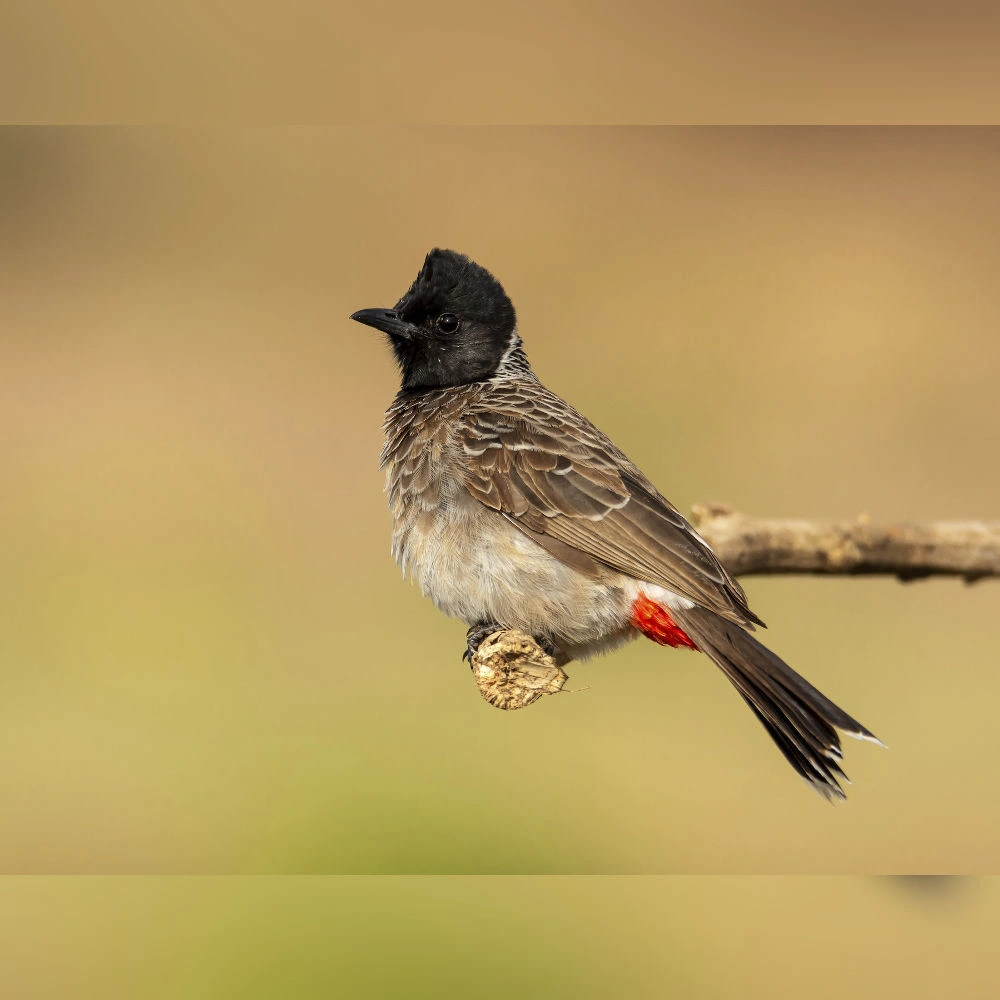
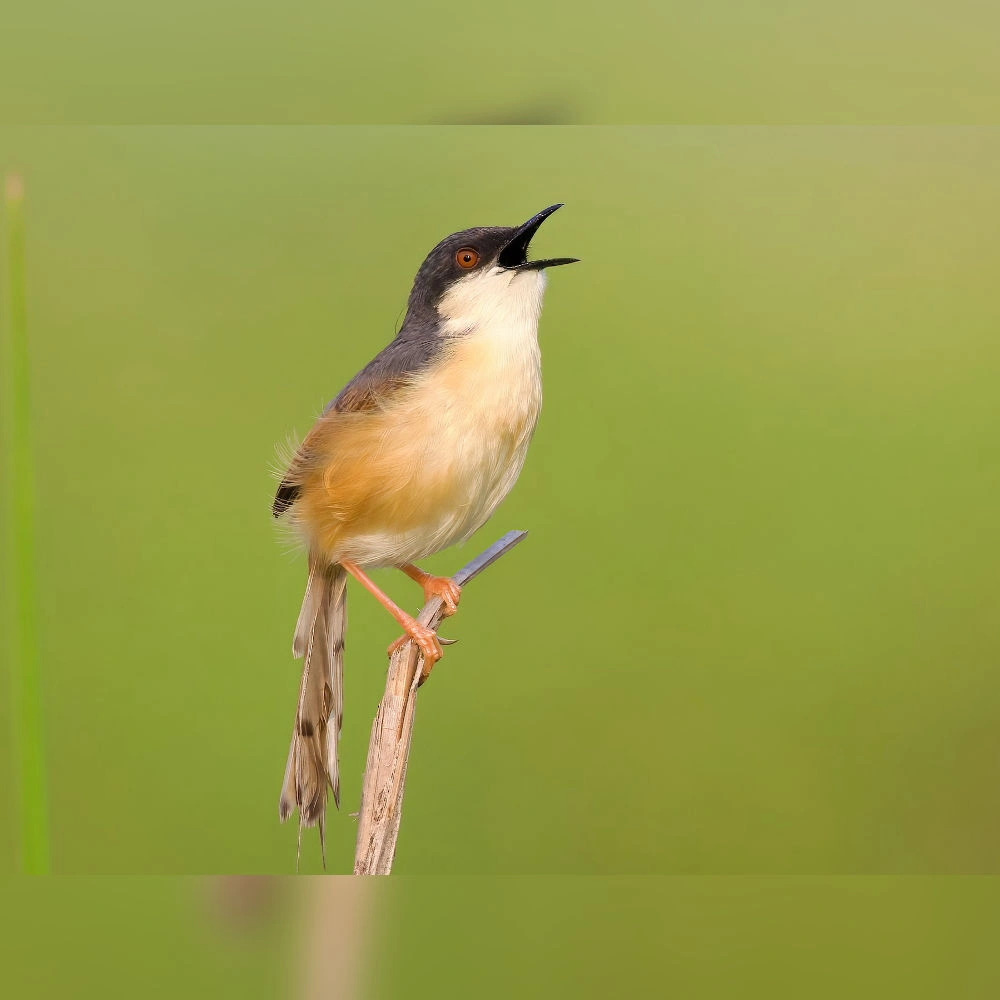
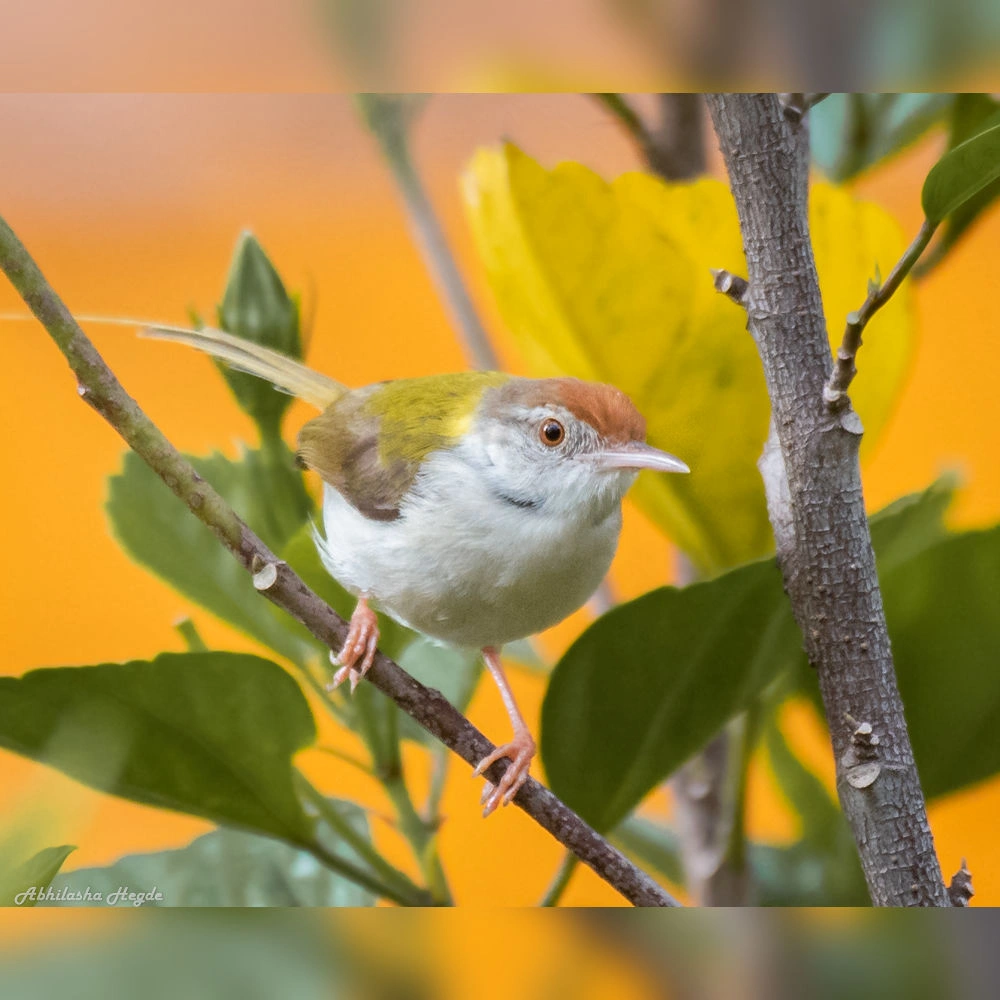
The birdlife along the Gorewada Lake Trail creates a lively blend of forest and wetland activity, making every walk a rewarding experience. In the trees and scrub, familiar yet charismatic species like the Red-vented Bulbul, Ashy Prinia, and Common Tailorbird keep the surroundings buzzing with movement and calls. The vibrant Coppersmith Barbet and Small Minivet add flashes of colour, while the watchful Black Drongo perches prominently, ever ready to dart after insects. Larger, more striking species like the Indian Peafowl and the elegant Yellow-footed Green Pigeon bring a sense of grandeur to the forested edges.
Closer to the water, the trail reveals a rich wetland community. Birds like the Indian Spot-billed Duck, Cotton Pygmy Goose, and Little Cormorant glide across the lake, while species such as the Grey-headed Swamphen and Little Grebe move gracefully through aquatic vegetation. The striking Purple Heron and Asian Openbill Stork add elegance to the scene, while flashes of blue from the White-throated Kingfisher brighten the shoreline. Together, these species create a dynamic birding landscape where forest and water meet, offering something exciting at every turn.

Red-vented Bulbul

Ashy Prinia

Common Tailorbird
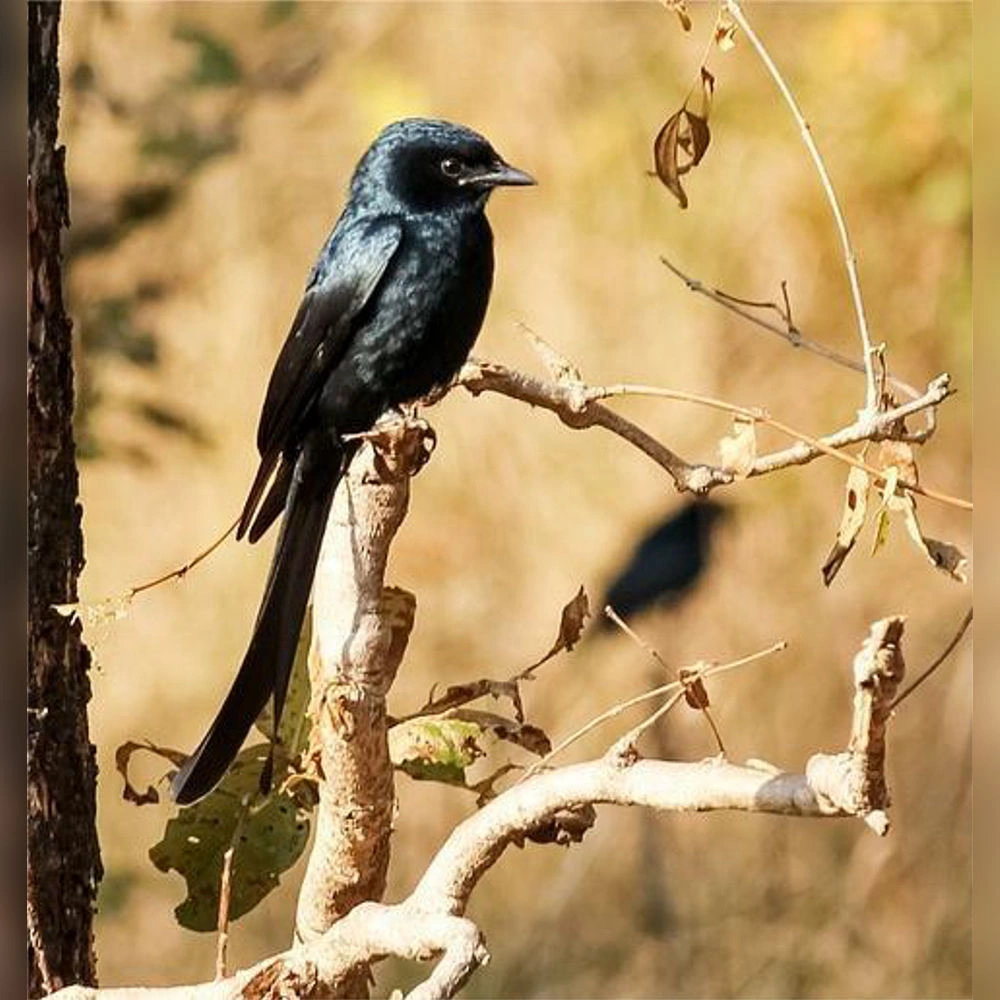
Black Drongo
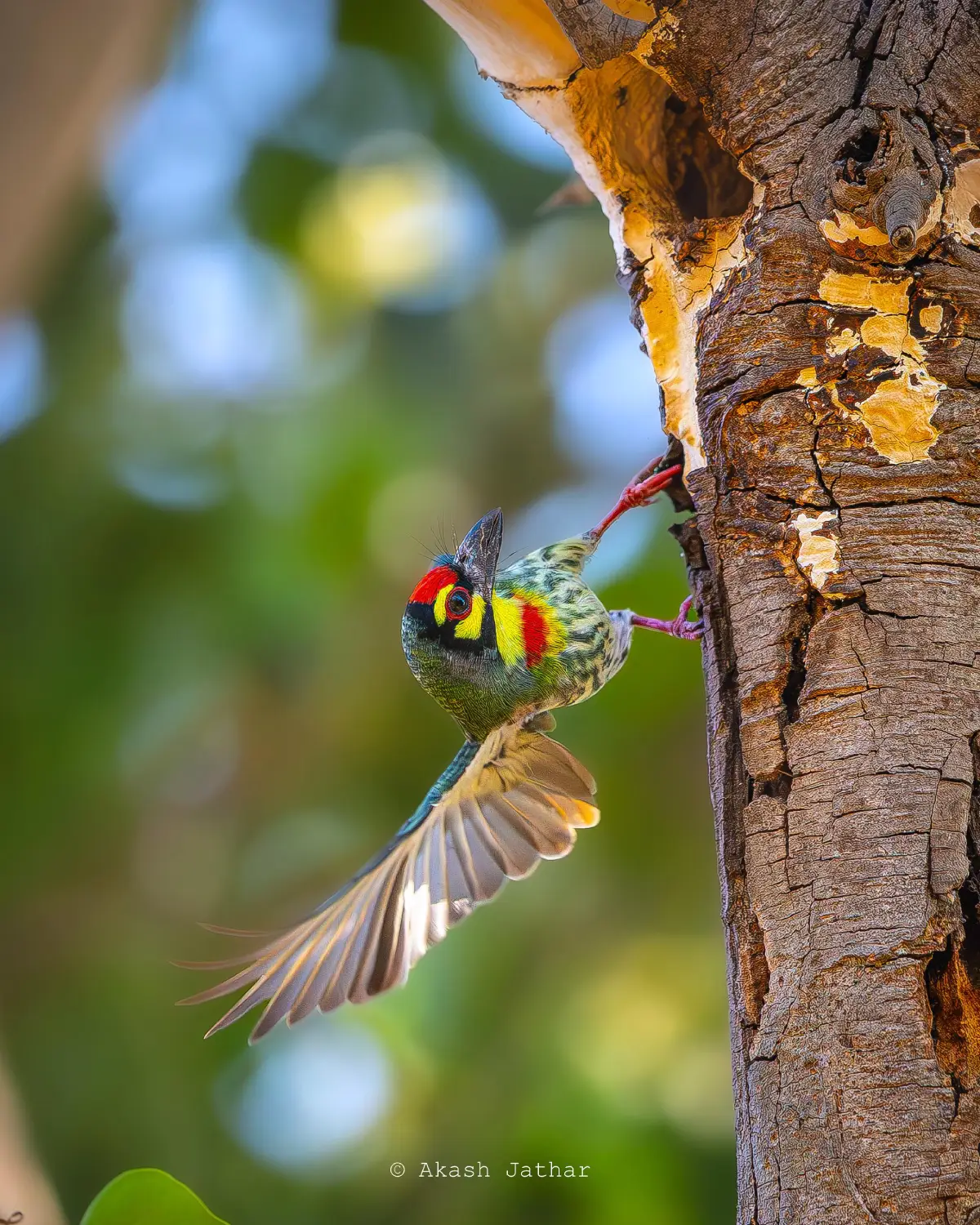
Coppersmith Barbet
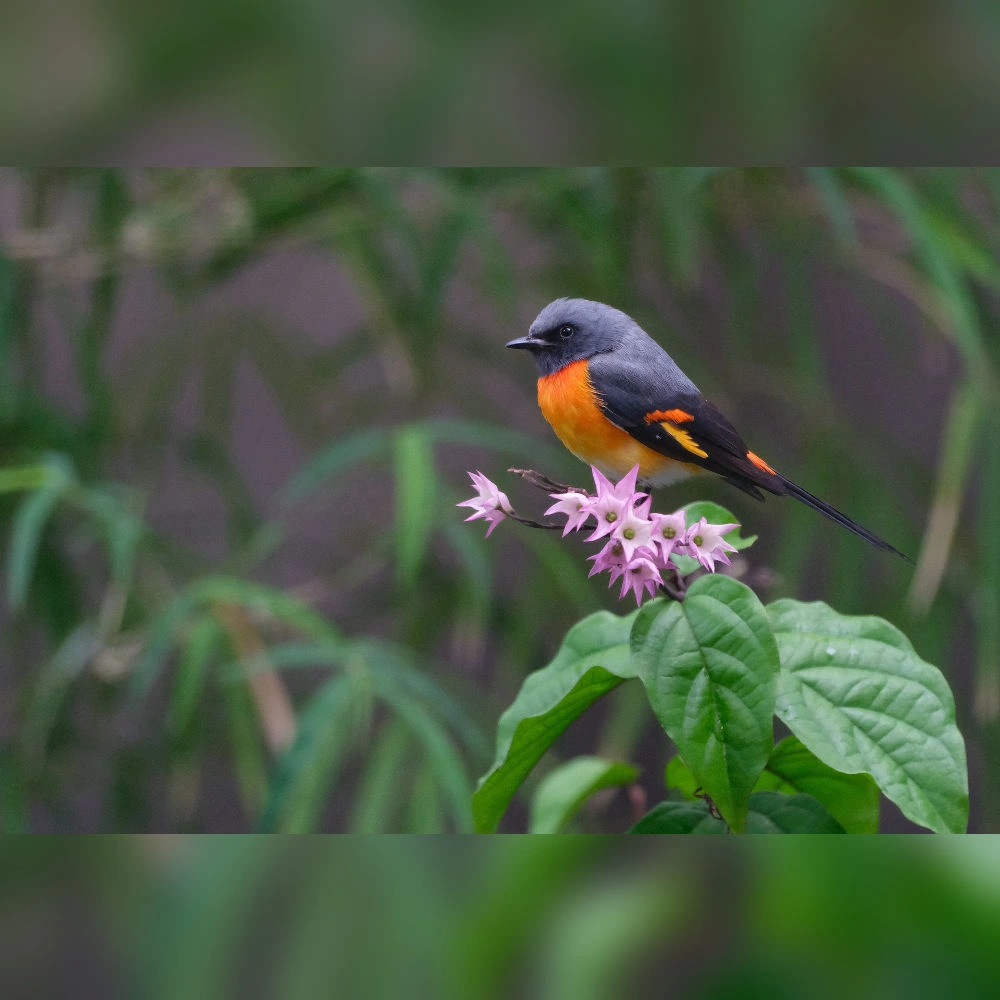
Small Minivet
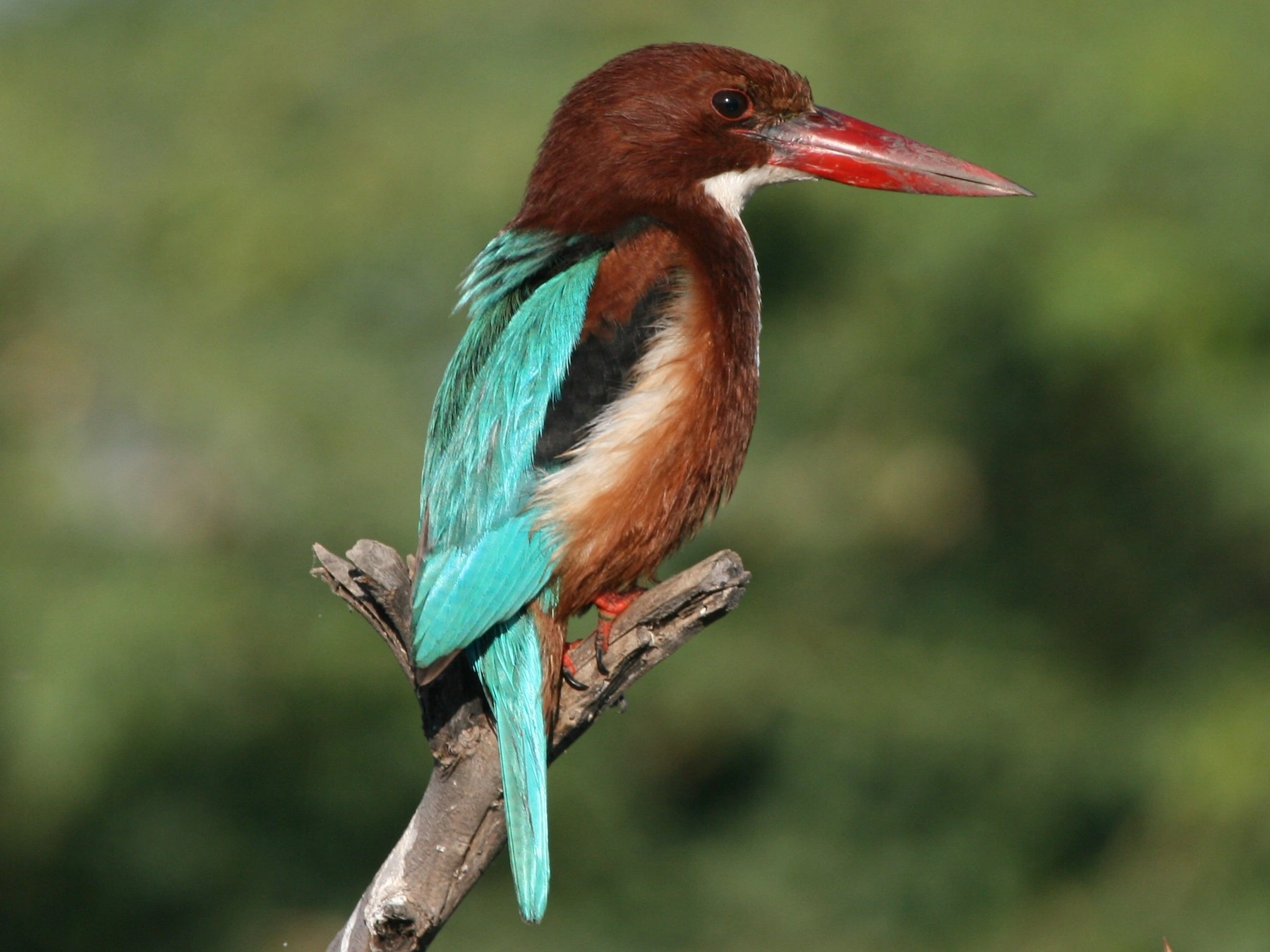
White-throated Kingfisher
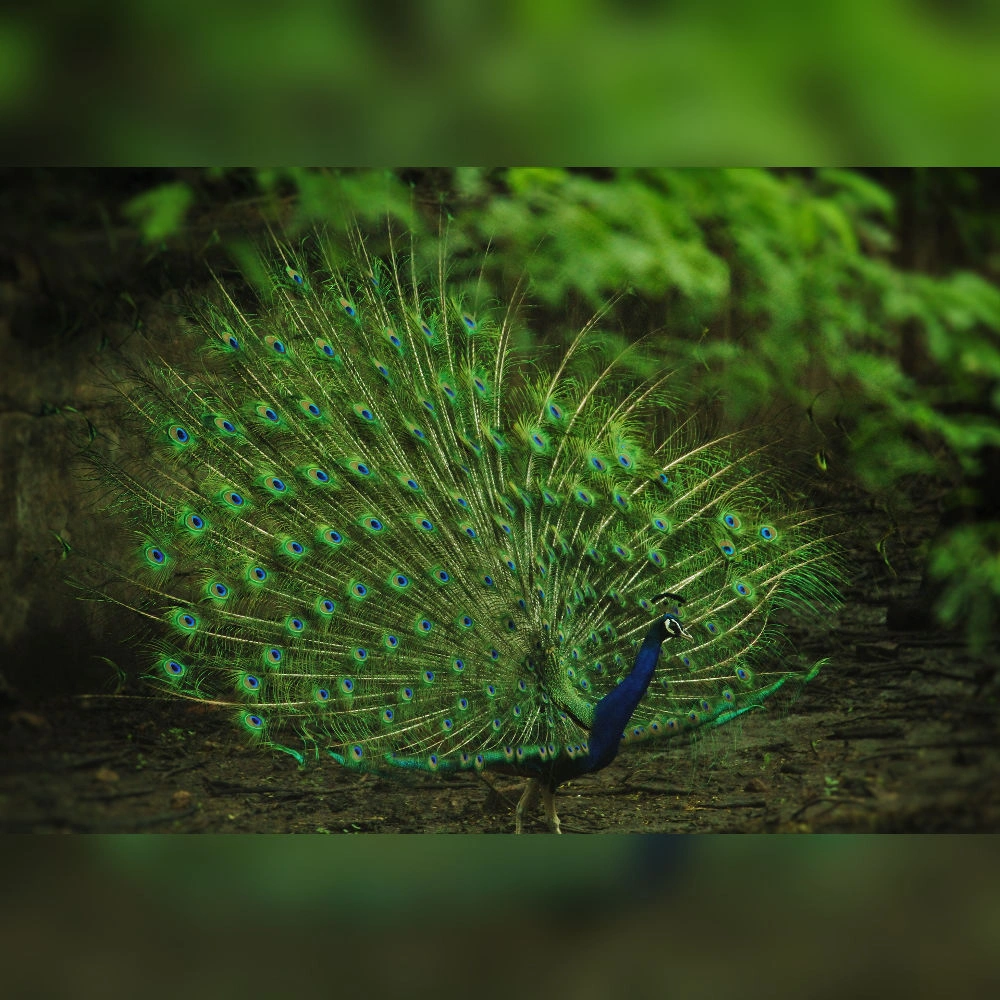
Indian Peafowl
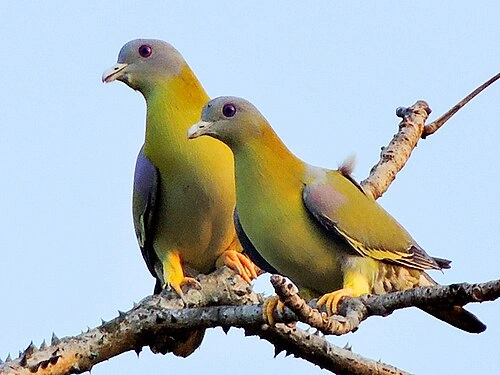
Yellow-footed Green Pigeon
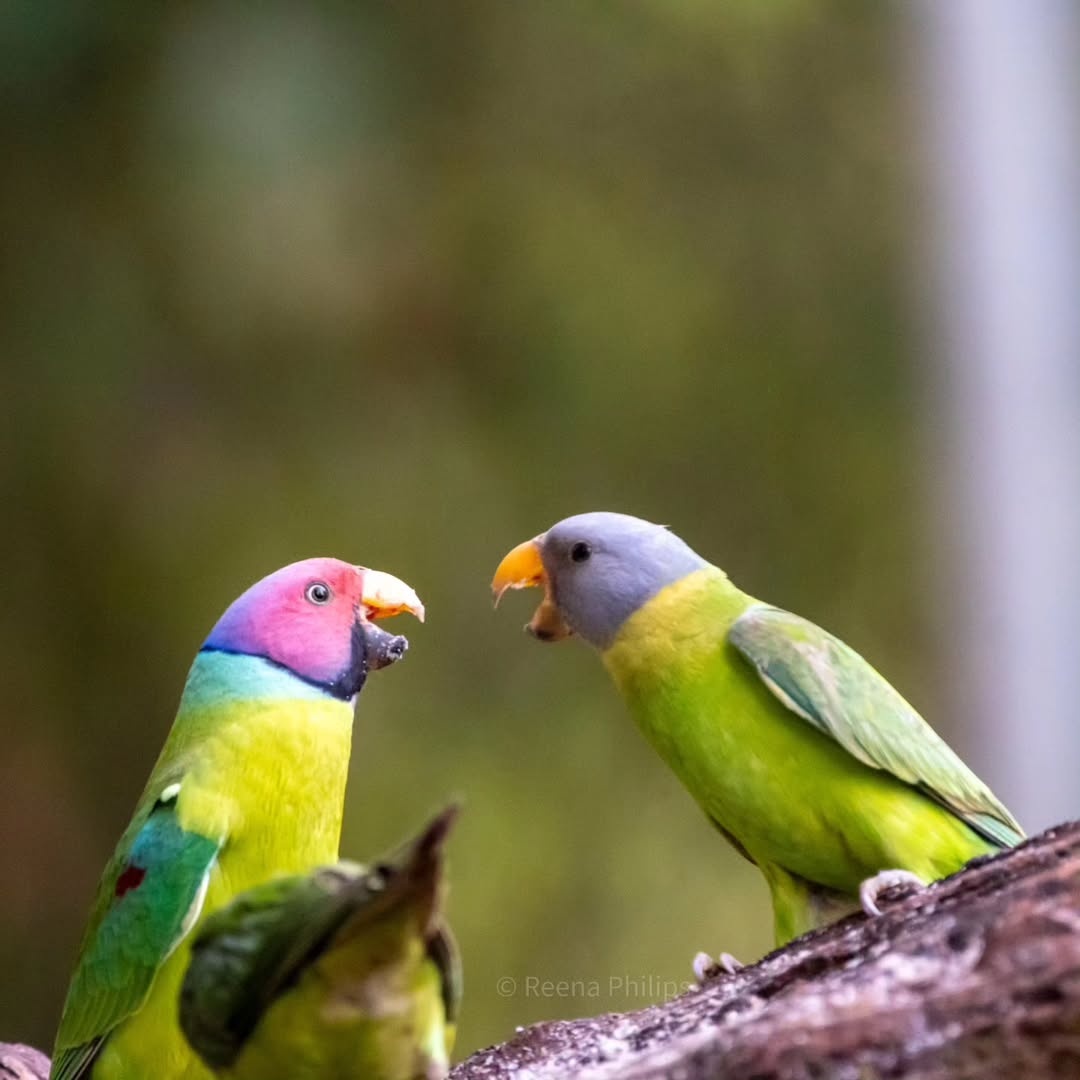
Plum-headed Parakeet
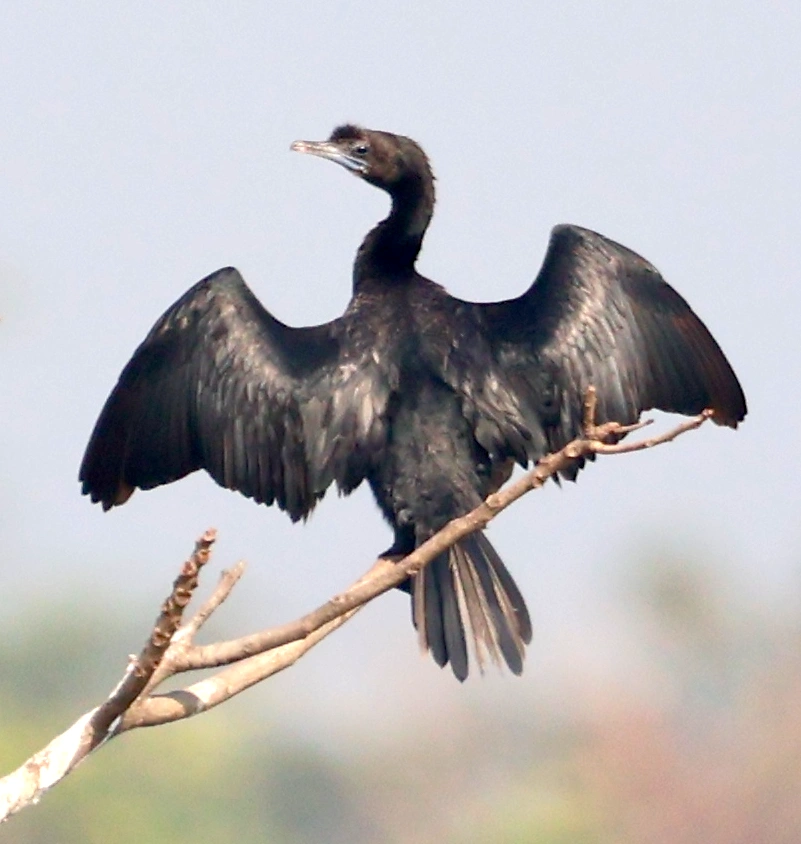
Little Cormorant

Indian Spot-billed Duck
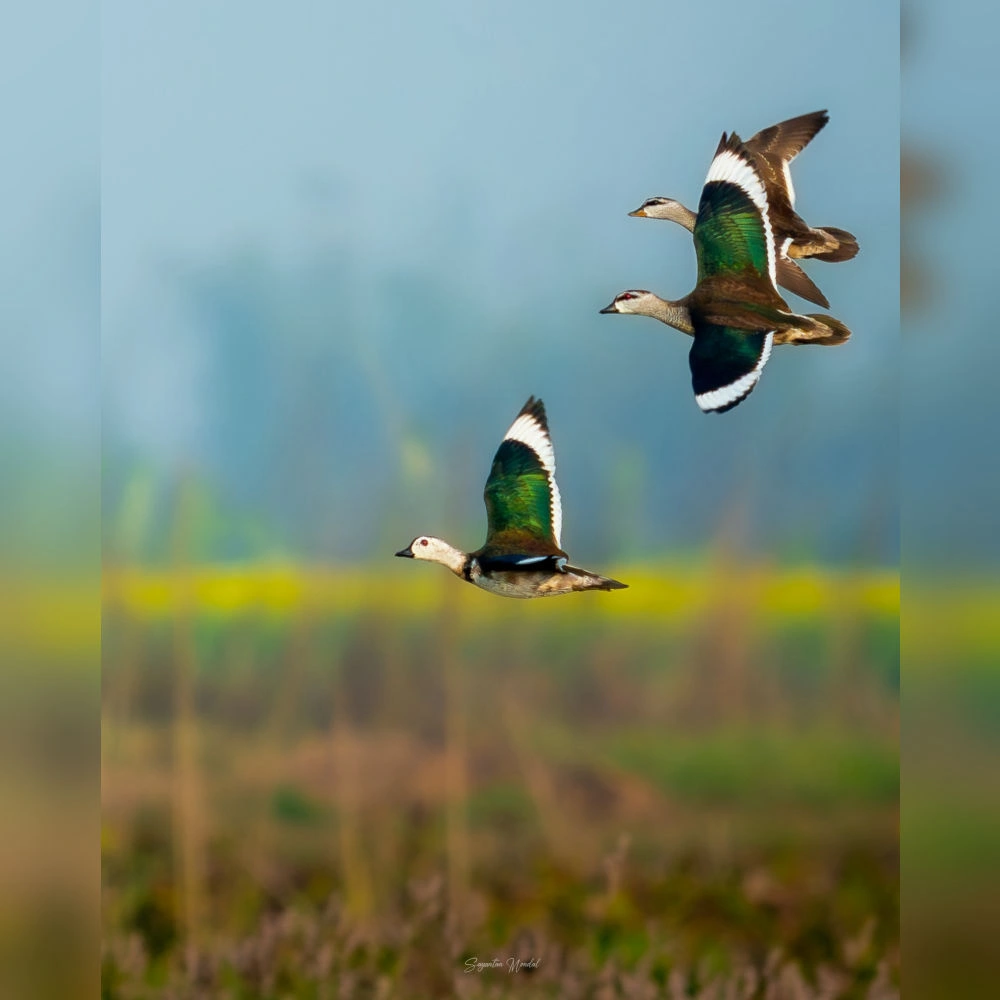
Cotton Pygmy Goose

Grey-headed Swamphen
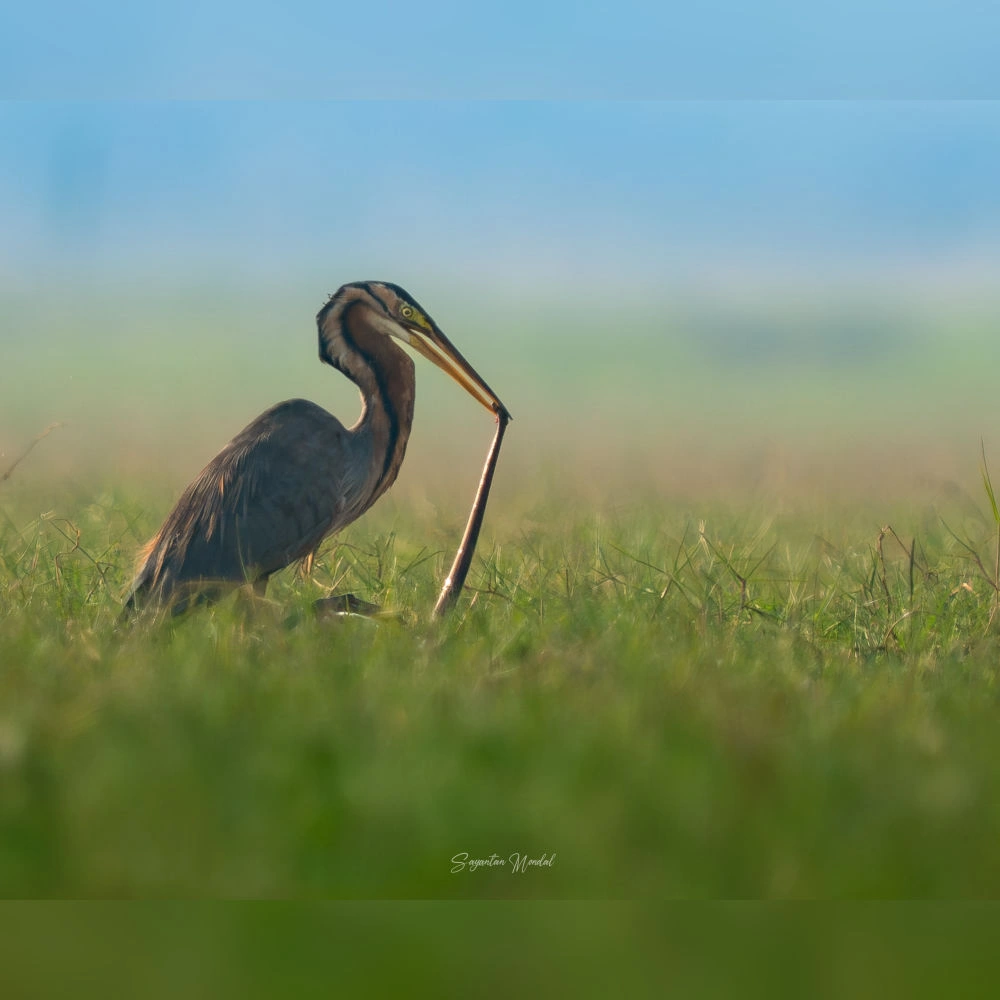
Purple Heron
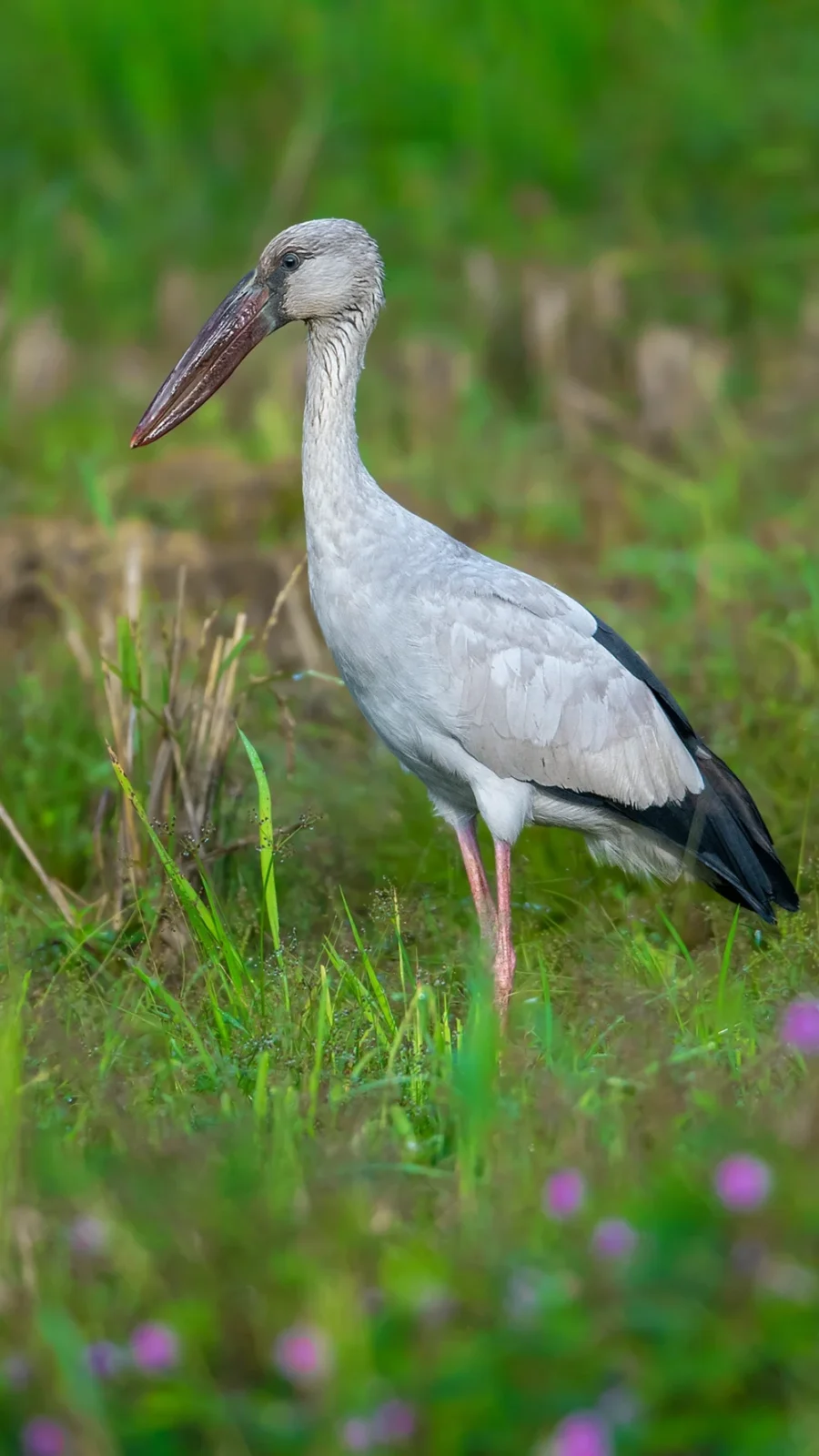
Asian Openbill Stork
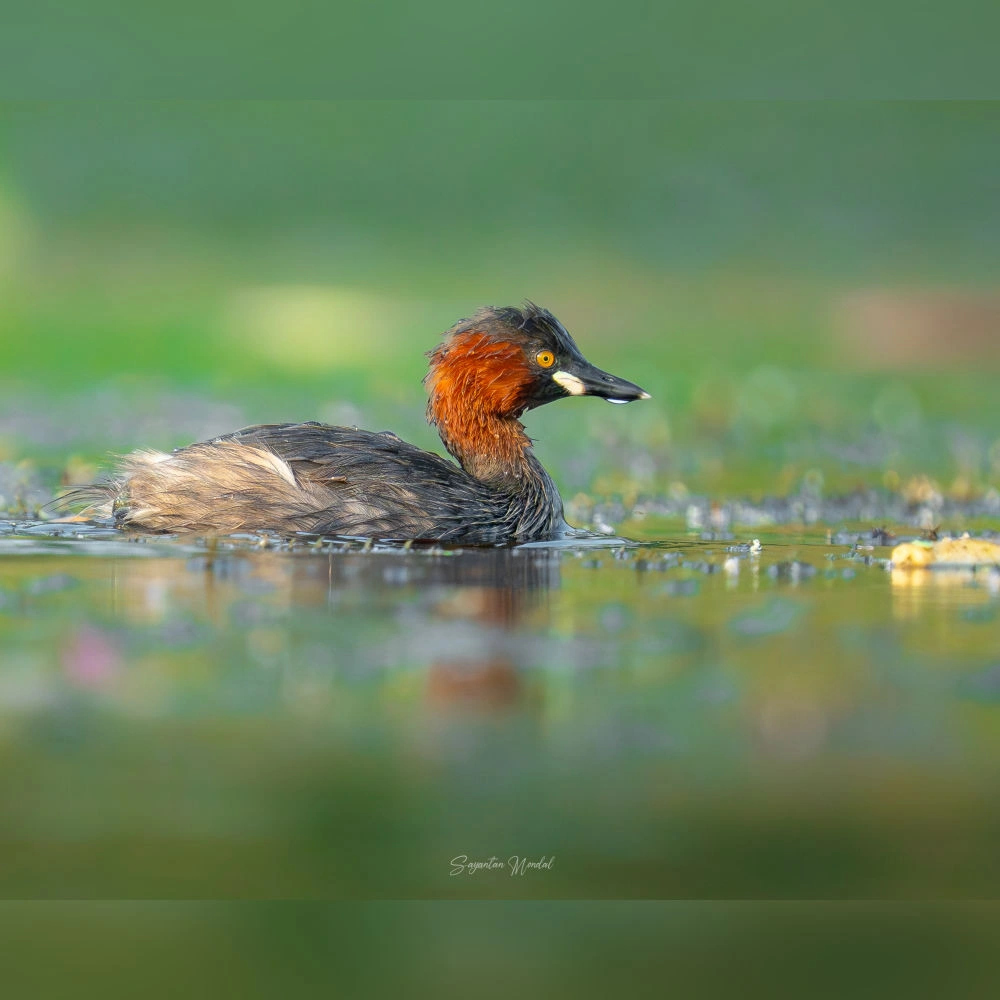
Little Grebe
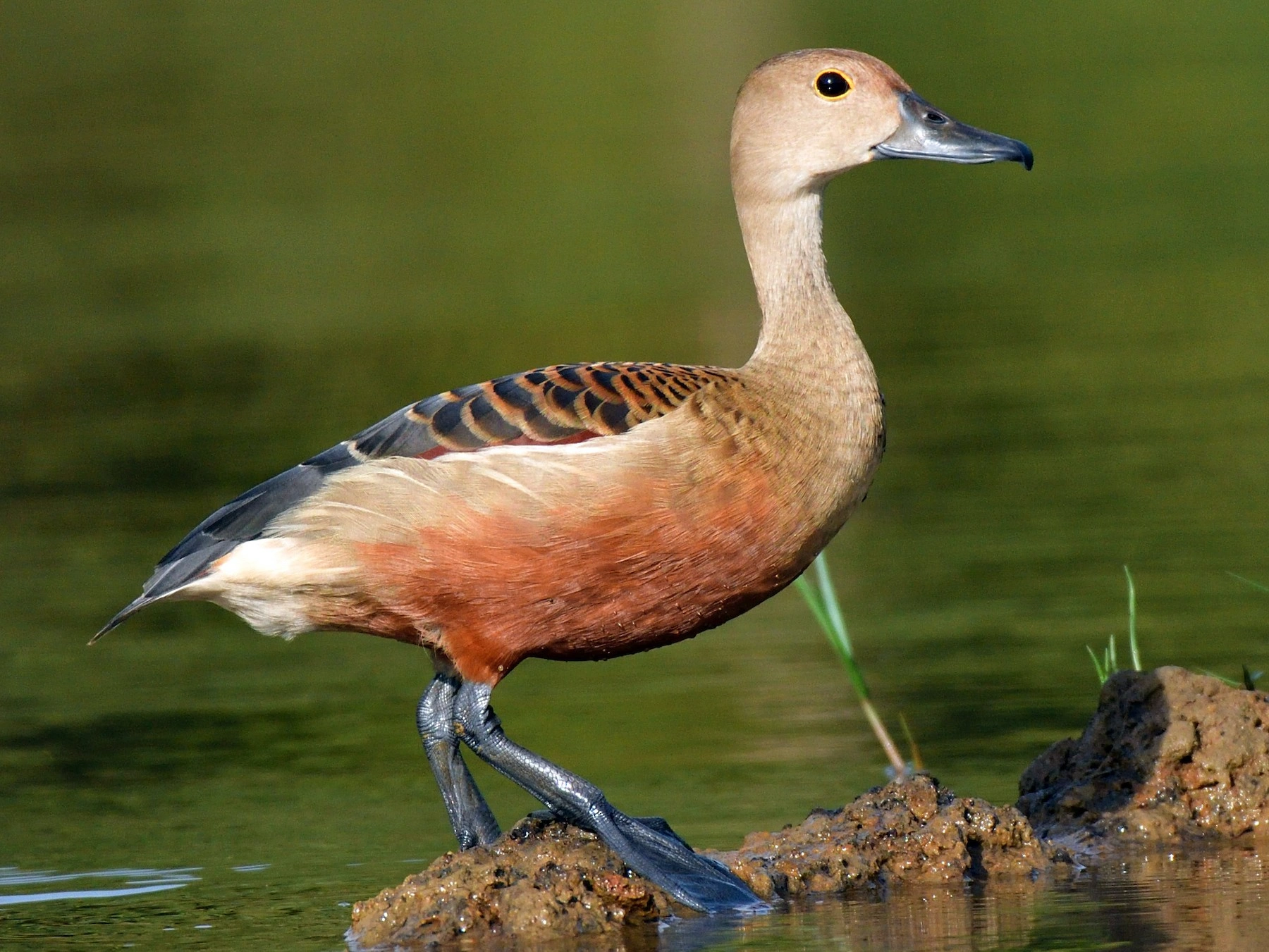
Lesser Whistling-Duck
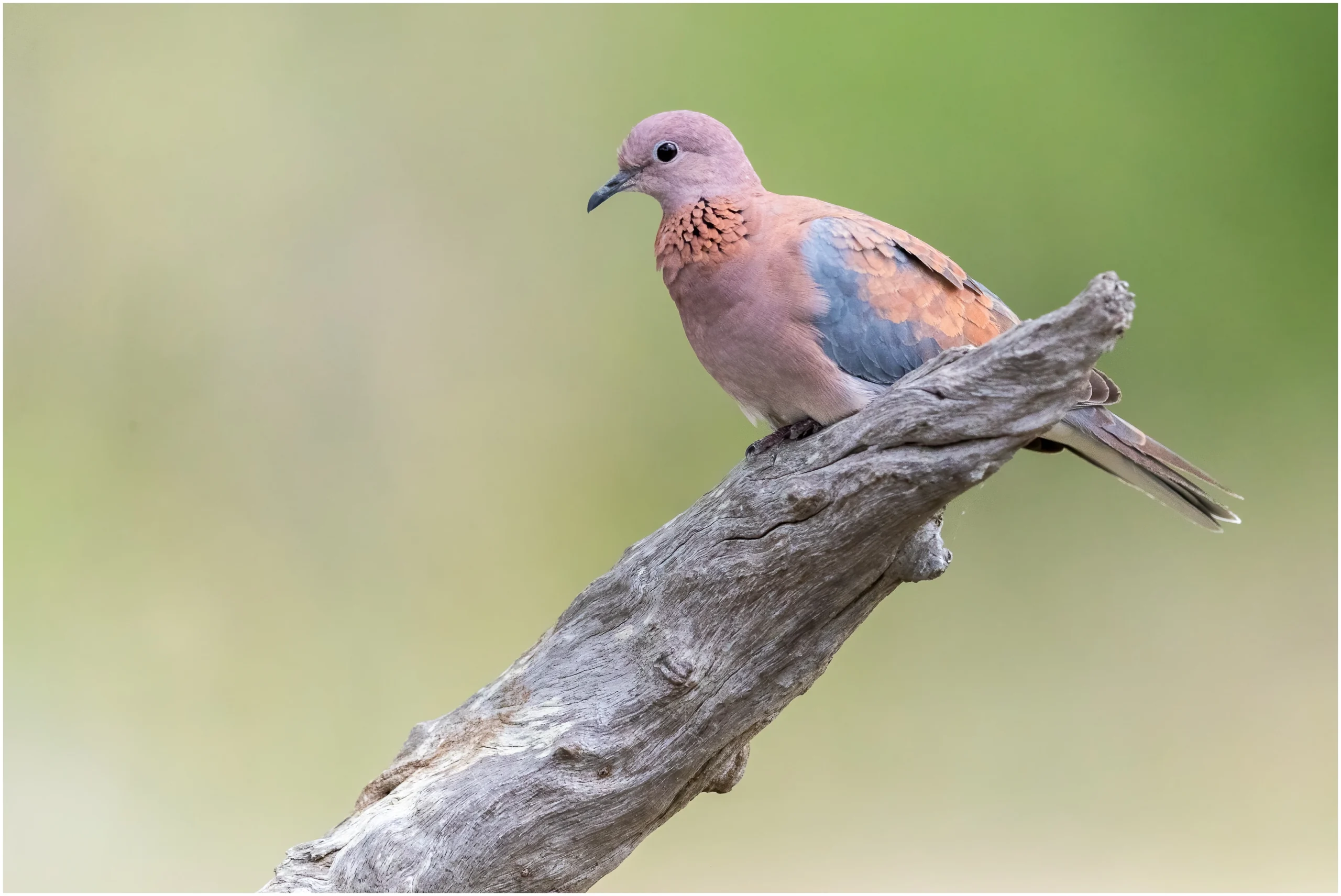
Laughing Dove
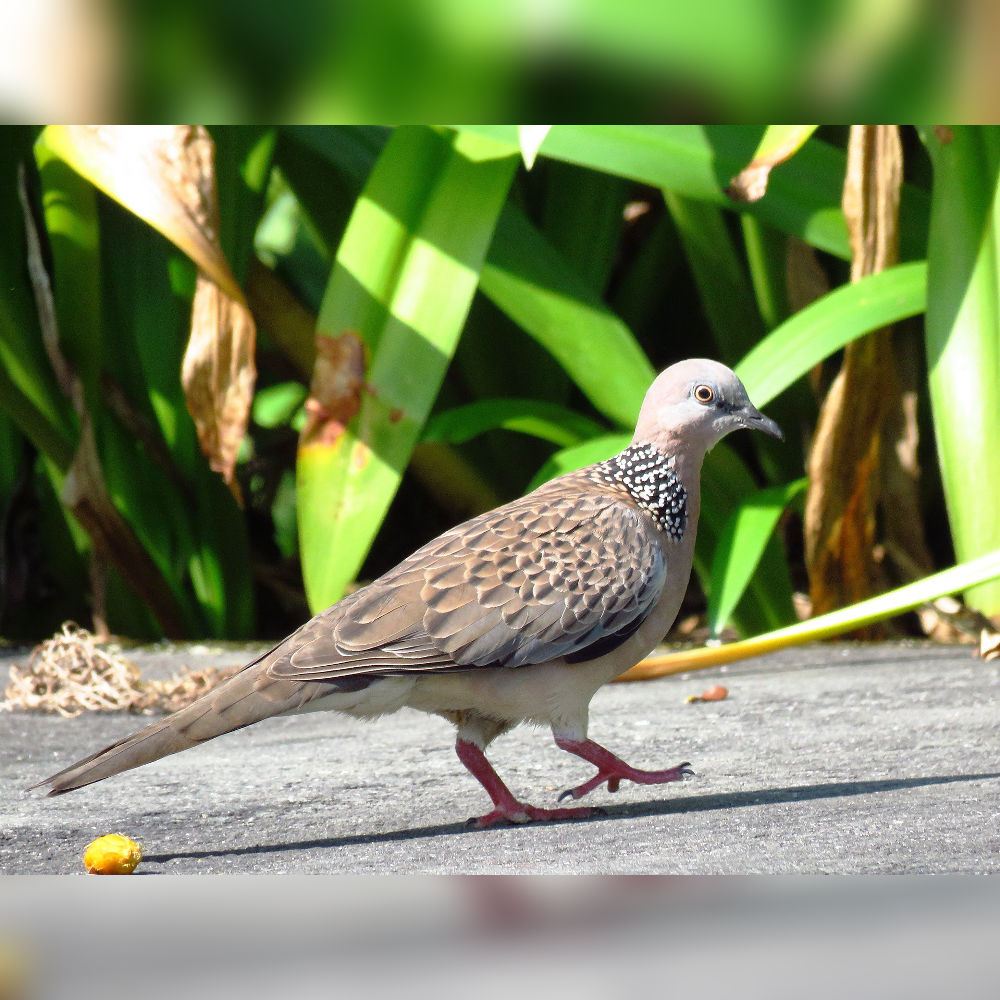

Spotted Dove
Summary of Walk
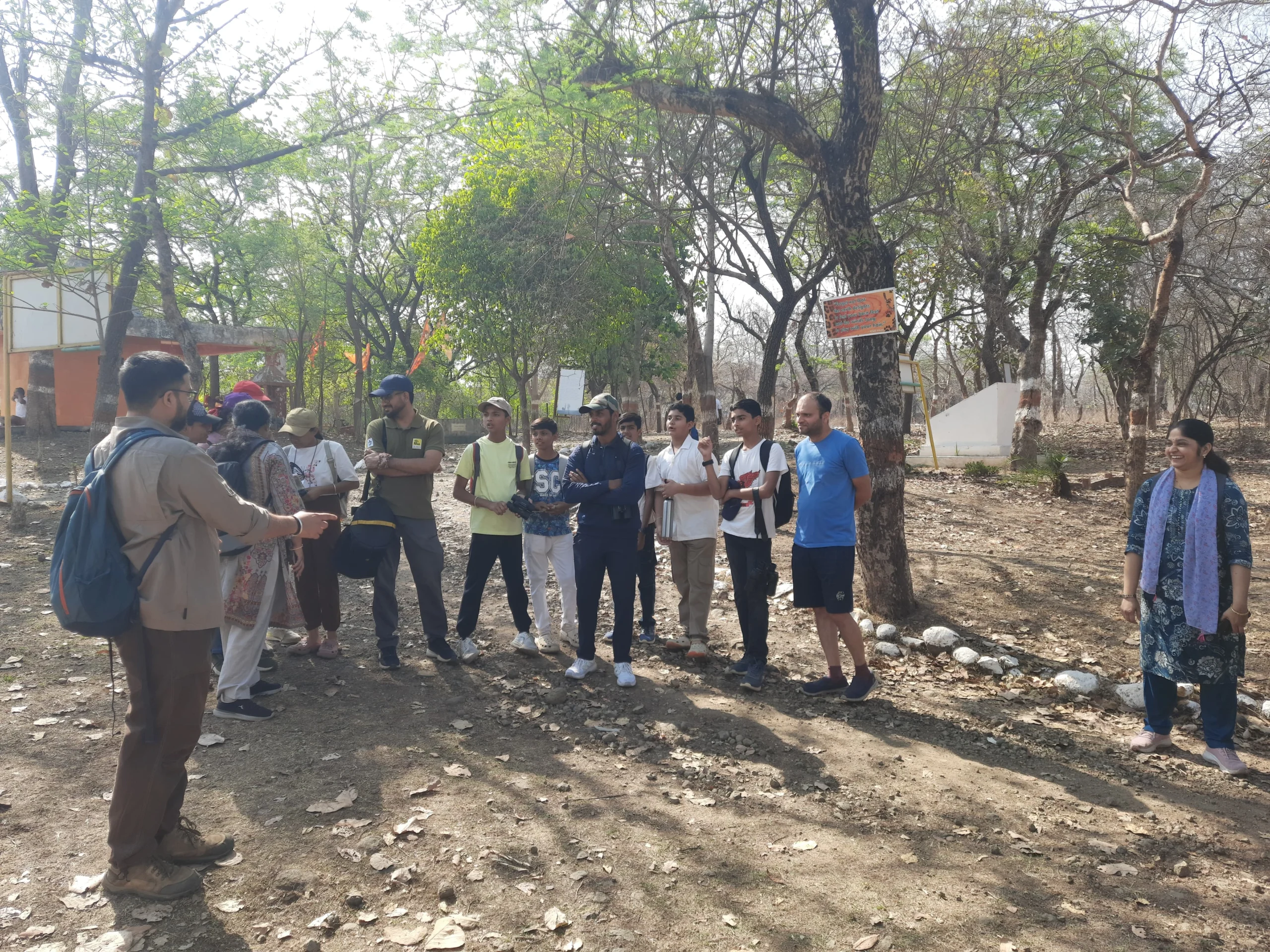
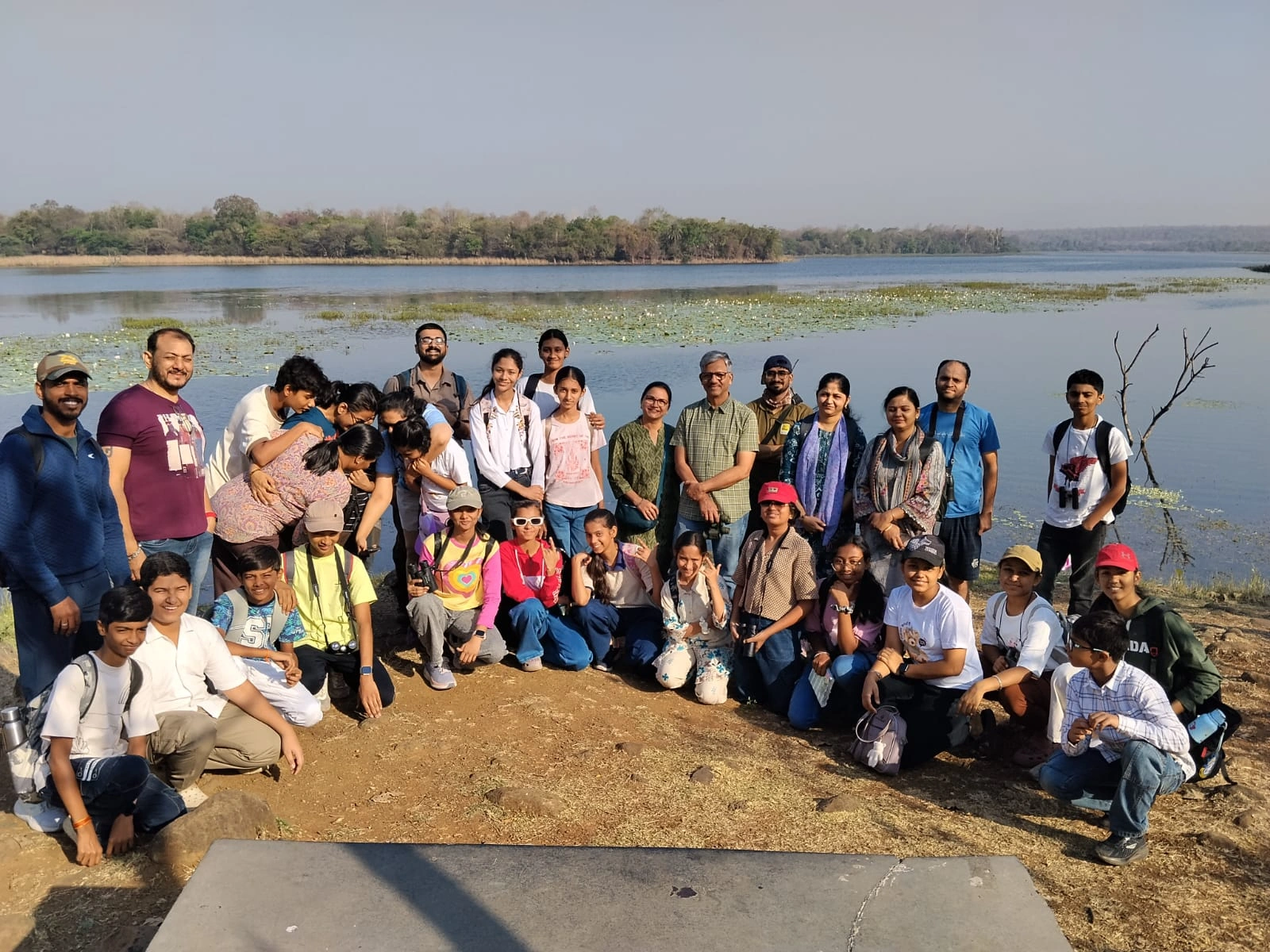
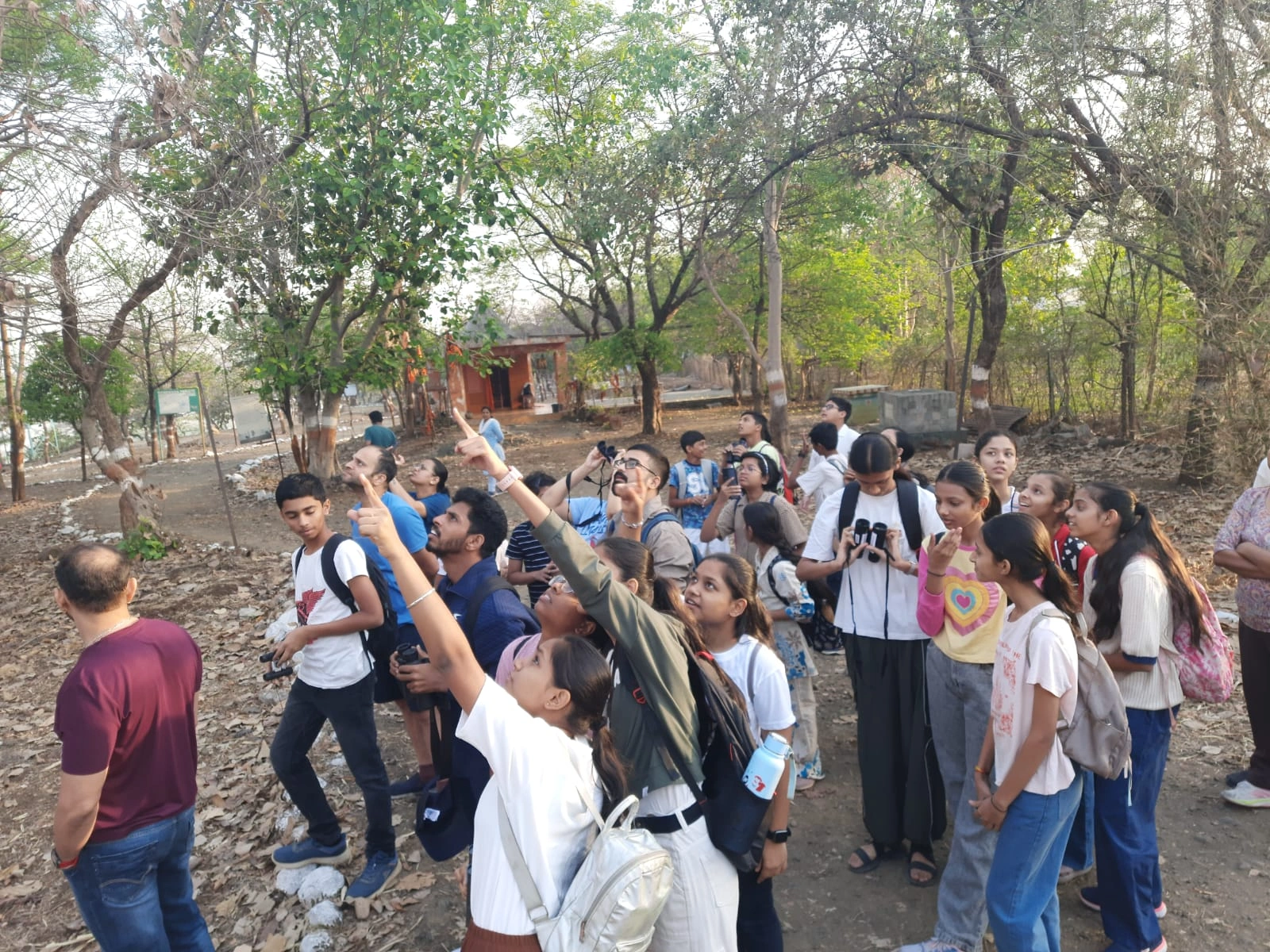
This walk at Gorewada Biodiversity Park brought together a large group of school students, creating a vibrant and energetic atmosphere. Despite the challenges of summer, which reduced bird activity, participants managed to record an impressive 48 species across woodland and wetland habitats. Notable sightings included the Indian Paradise Flycatcher, Orange-headed Thrush, Pheasant-tailed Jacana, Yellow-footed Green Pigeon, and Oriental Honey Buzzard, offering a well-rounded exposure to diverse bird groups.
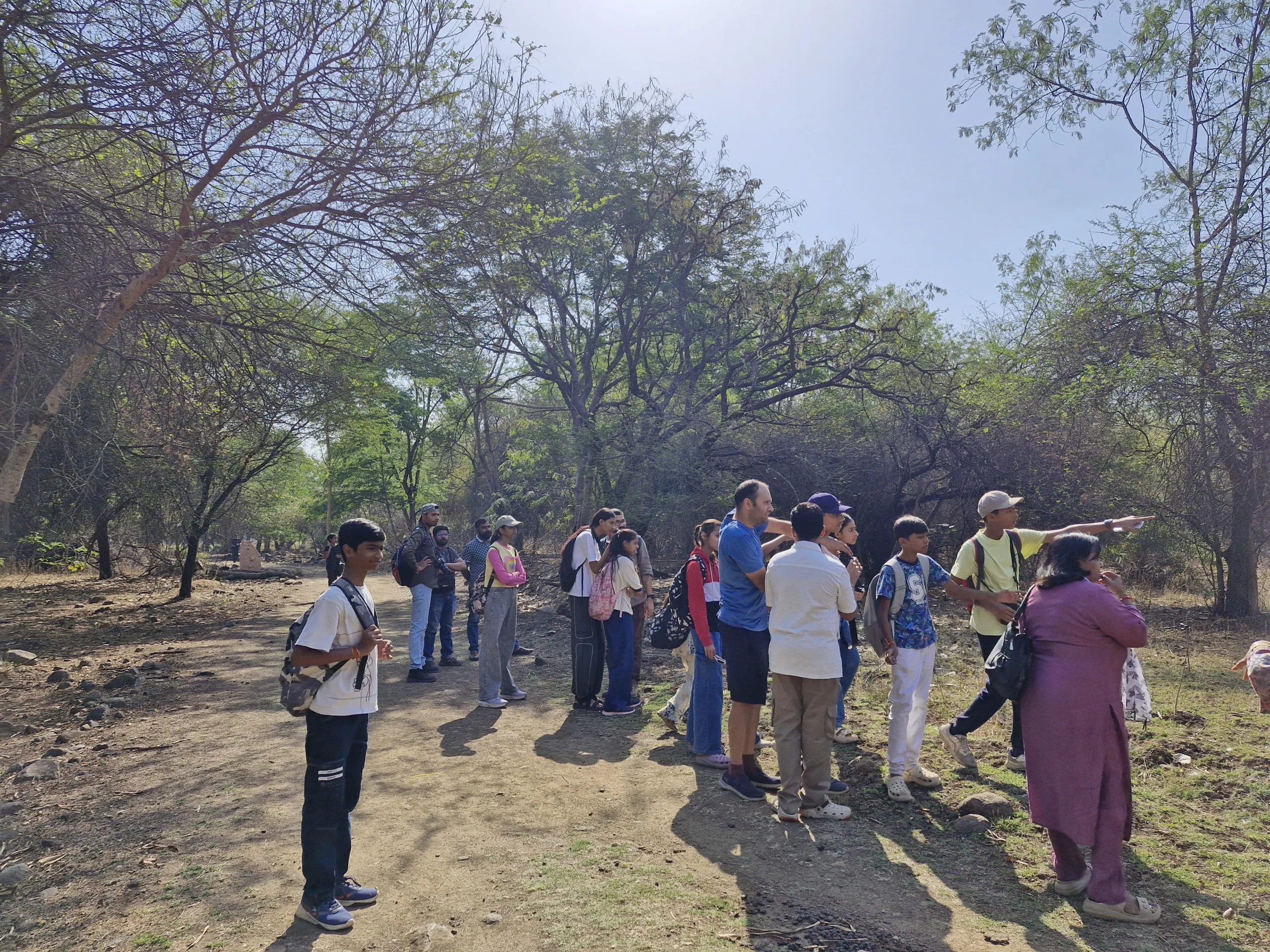
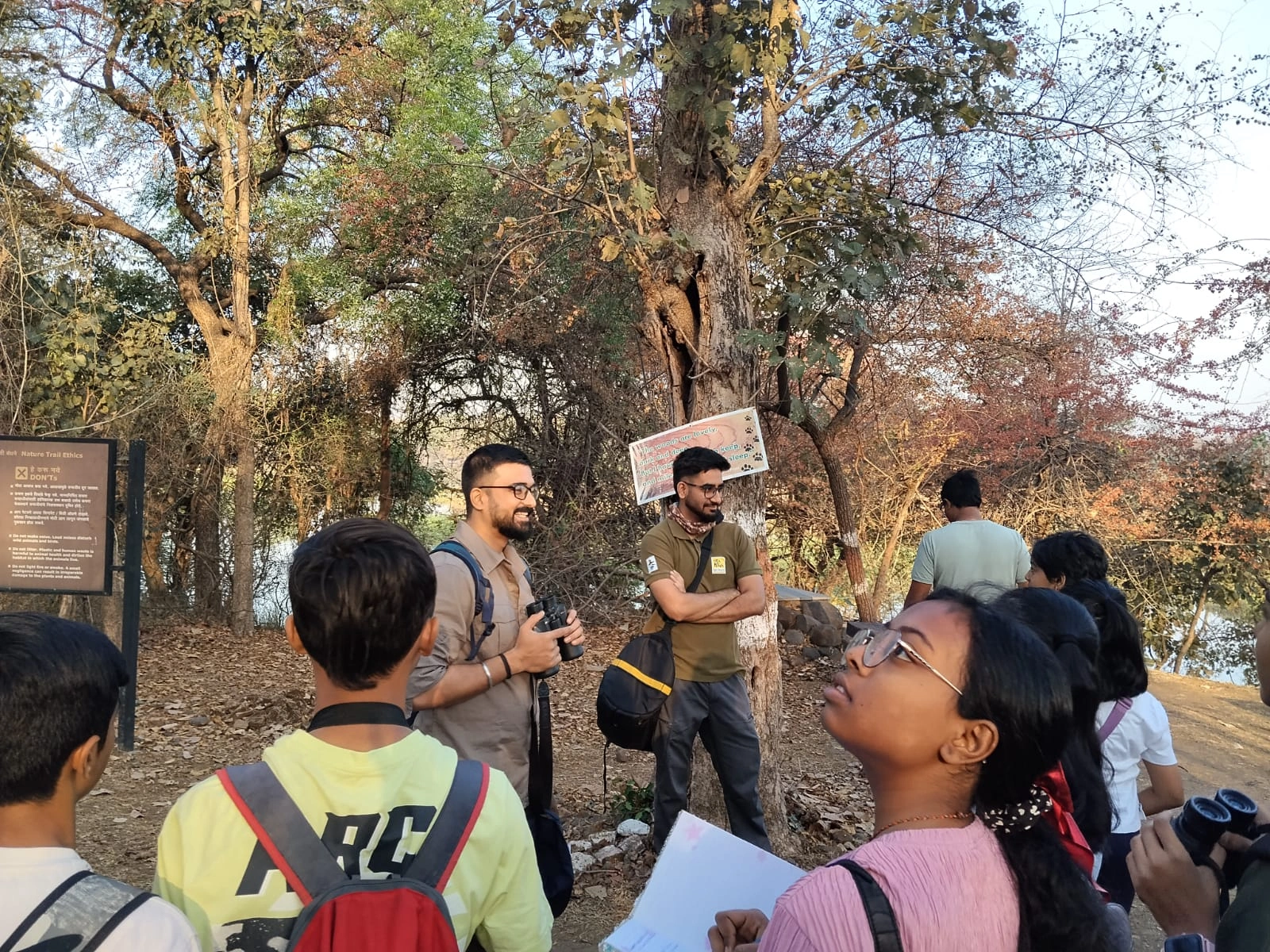
The Indian Paradise Flycatcher stood out as the highlight, captivating students with its elegance and movement. The session was highly interactive, with students asking questions and engaging deeply with the guide’s explanations. Many participants emphasized how field learning felt far more engaging than textbook study, making this walk not just about birdwatching but also about inspiring curiosity and appreciation for nature.
Number of Participants
0