


Loading Events

Bird Walk at Zilmili Lake, Gondia, Maharashtra

About Zilmili Lake

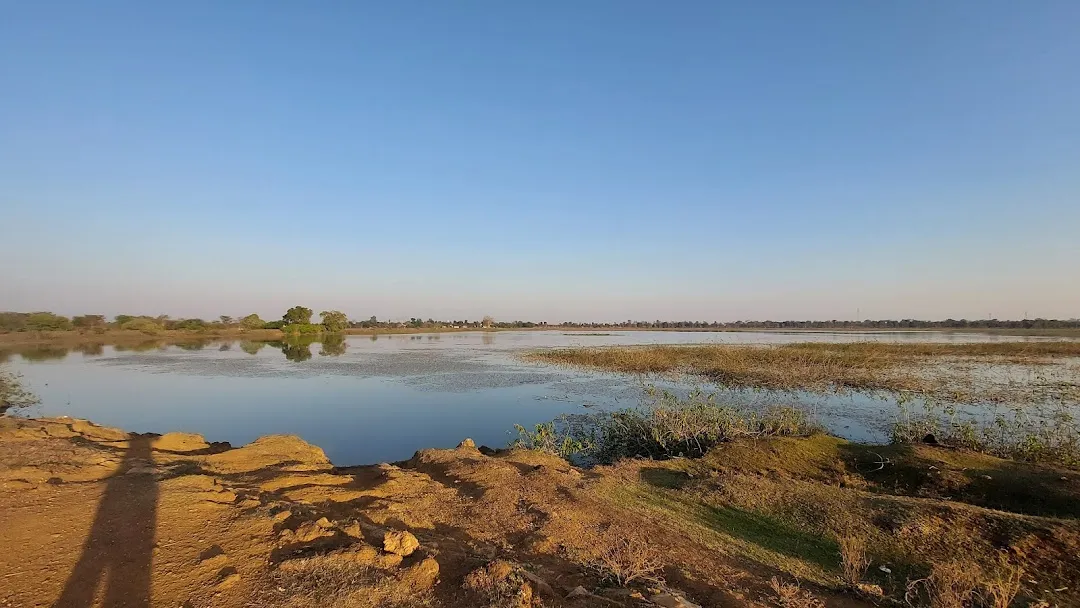
Zilmili Lake, located in Gondia district of Maharashtra, is a serene freshwater ecosystem surrounded by mixed agricultural lands and patches of natural vegetation. The lake serves as an important refuge for numerous resident and migratory bird species, particularly during the winter months when flocks of waterfowl arrive to feed and rest. Its shallow waters and extensive reed beds create an ideal habitat for species such as herons, egrets, cormorants, storks, and various ducks. The tranquil surroundings and easy accessibility also make Zilmili Lake a popular spot for local birdwatchers and nature enthusiasts, contributing to increasing awareness about the importance of wetland conservation in the region.
Beyond its ecological role, Zilmili Lake supports the livelihoods of local communities through fishing and small-scale agriculture. However, the lake faces growing pressure from encroachment, pollution, and siltation, which threaten its biodiversity and water quality. Conservation efforts focusing on habitat restoration, community participation, and sustainable management are essential to preserve this valuable ecosystem. With its scenic beauty and ecological significance, Zilmili Lake holds great potential to become a model site for wetland conservation and eco-tourism in eastern Maharashtra.

Partnered with

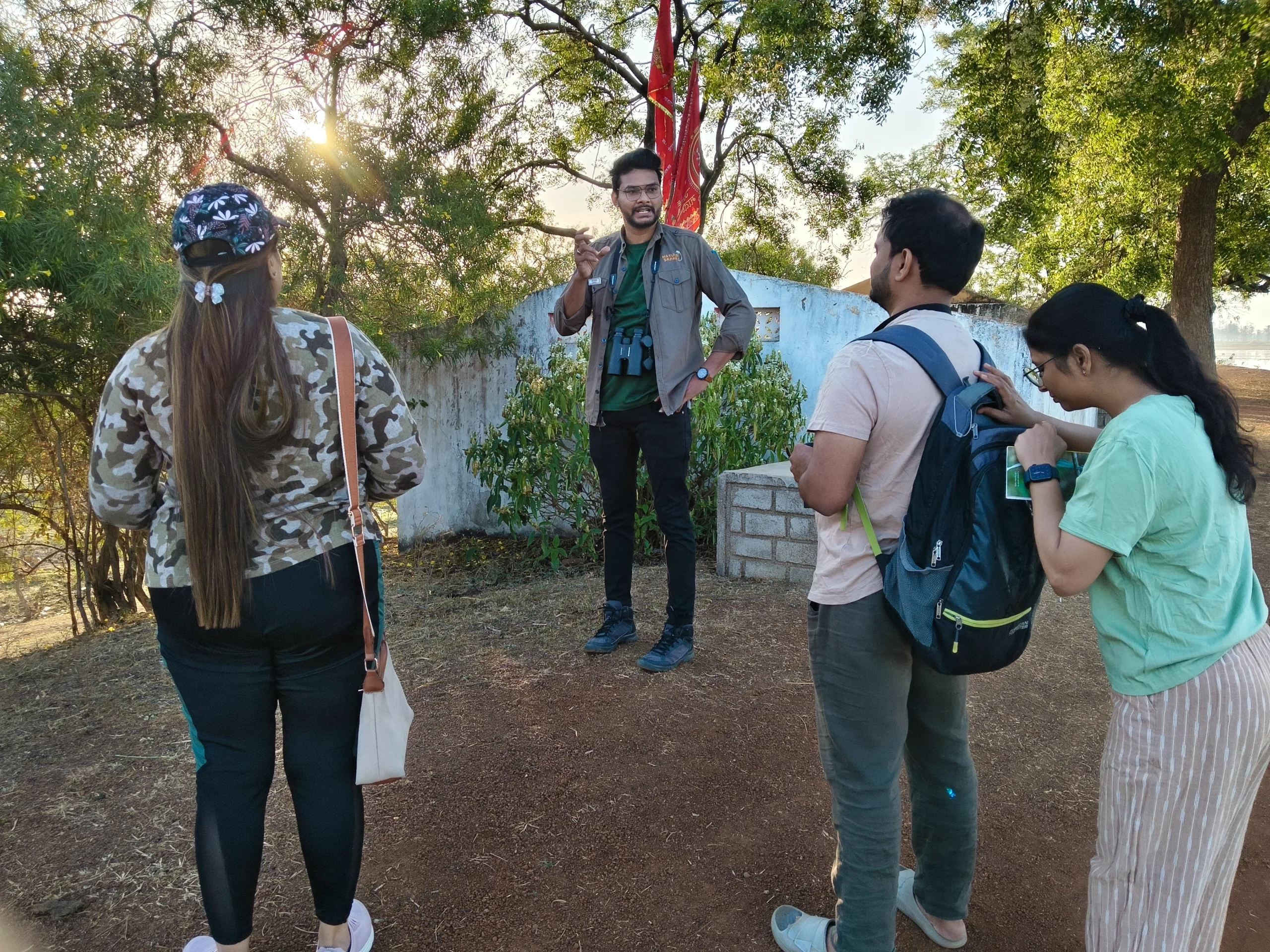
Bird Guide - Nitesh Yadav

Nitesh Yadav, from Gondia, Maharashtra, is an engineer-turned-naturalist who discovered his passion for wildlife and nature during his years in the corporate sector. His growing interest in birds, animals, and forests inspired him to shift careers, leading him to work at Kanha National Park, where he now shares the wonders of the natural world with visitors and enthusiasts.
Bird walk Location

Common birds of Zilmili Lake

Zilmili Lake in Gondia is a thriving habitat for a wide variety of bird species that depend on its open waters, reed beds, and surrounding grasslands. The lake is frequently visited by wading birds such as the White-breasted Waterhen, Little Ringed Plover, Yellow-wattled Lapwing, Red-wattled Lapwing, and Common Snipe, which forage along the muddy edges. The presence of Little Cormorants, Black-crowned Night Herons, Indian Pond-Herons, Eastern Cattle Egrets, Great Egrets, and Purple Herons highlights the wetland’s rich aquatic ecosystem, offering abundant feeding opportunities. During early mornings and evenings, these birds can be seen actively hunting fish, frogs, and insects, adding vibrancy and life to the lake’s calm waters.
In the surrounding wooded and open areas, a variety of woodland and aerial insectivores can be observed, including the Shikra, Indian Gray Hornbill, Asian Green Bee-eater, and Indian Roller. Colorful and energetic Common, White-throated, and Pied Kingfishers are often seen perched along the water’s edge, diving skillfully for small fish. The Black Drongo and Red-vented Bulbul, common across rural Maharashtra, add to the diversity of the lake’s avifauna, often seen darting among shrubs and trees. Together, these species illustrate the ecological richness of Zilmili Lake, making it not only a refuge for birds but also an excellent location for birdwatching and environmental education in the Gondia region.
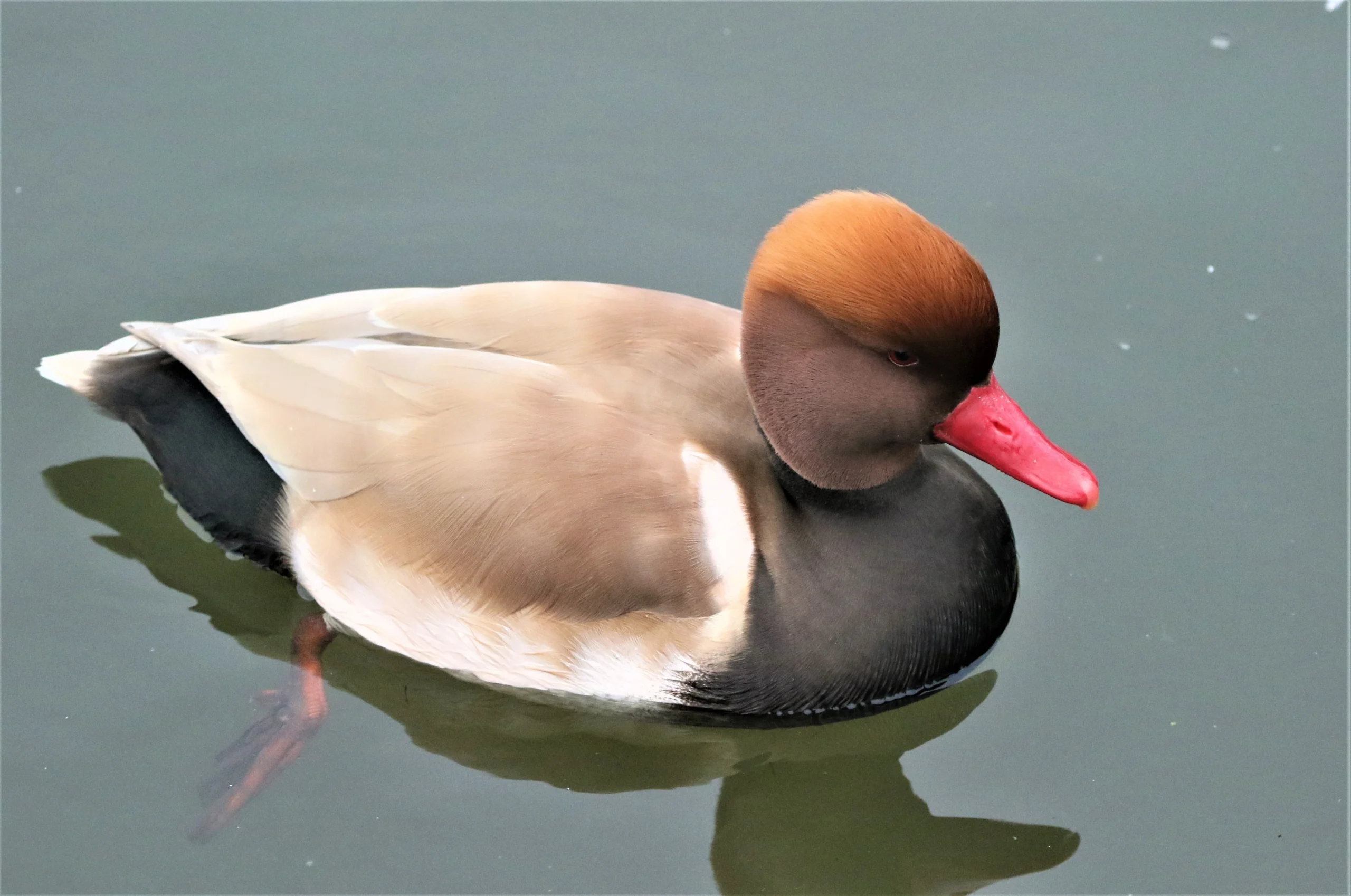
Red-crested Pochard
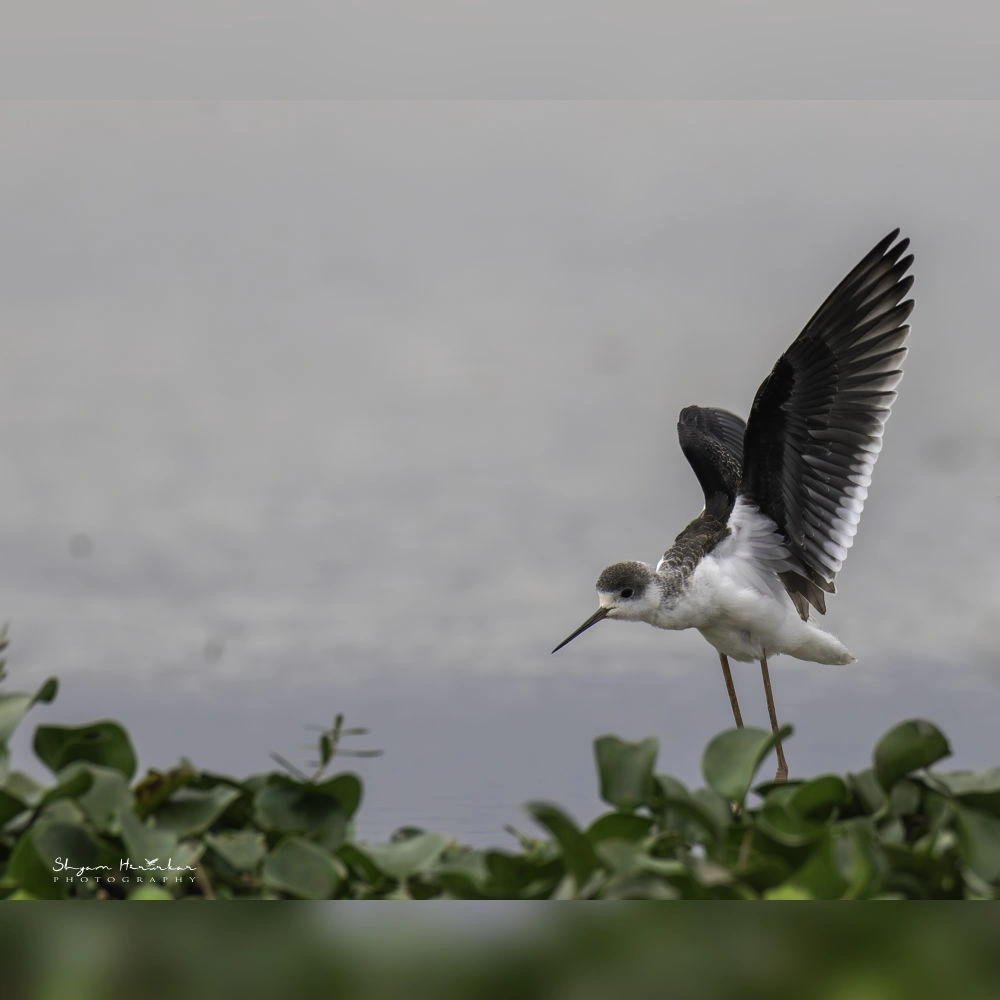
Black-winged Stilt
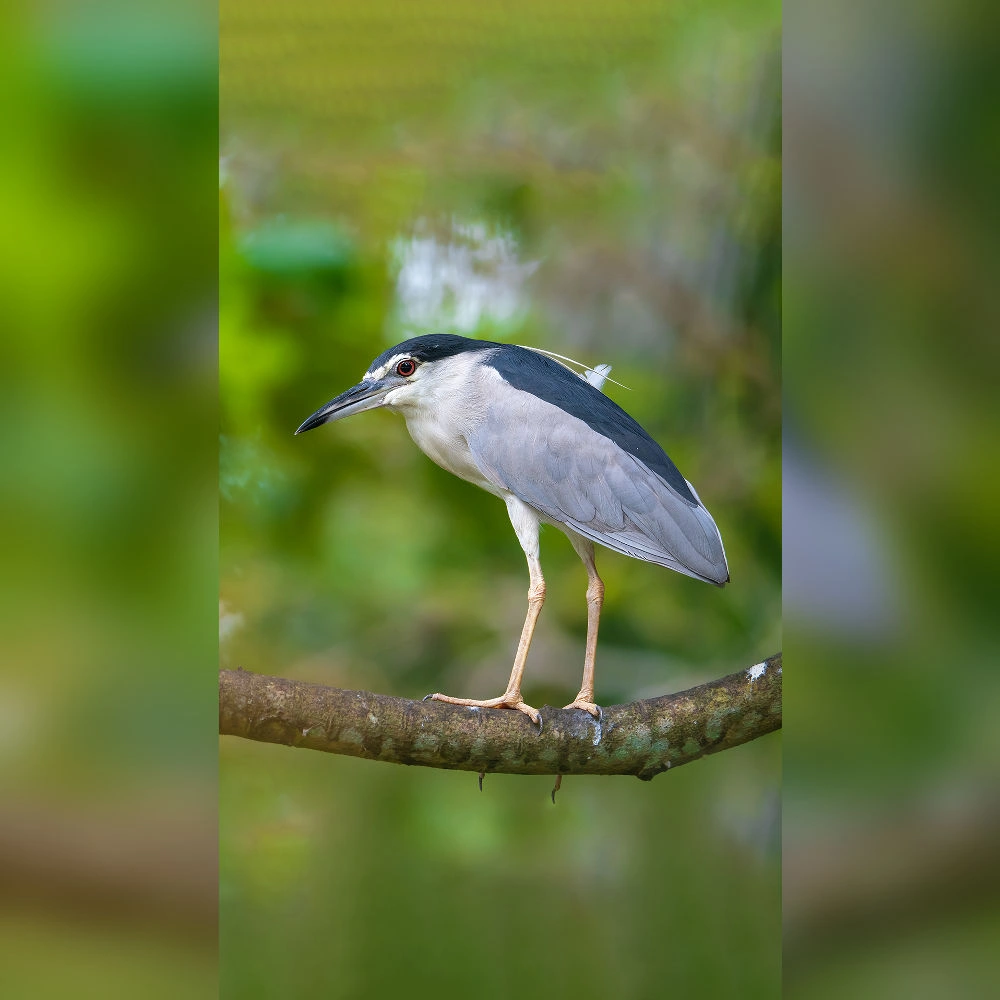
Black-crowned Night Heron
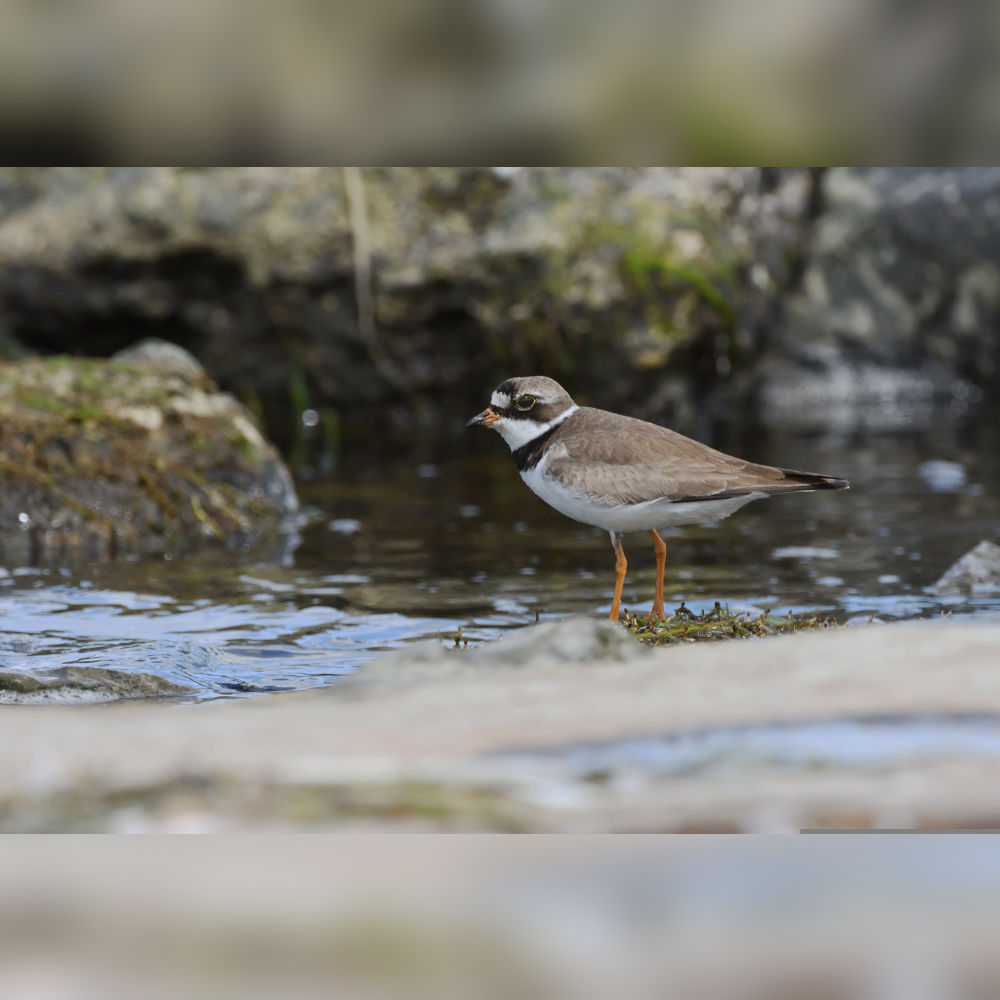
Little-ringed Plover
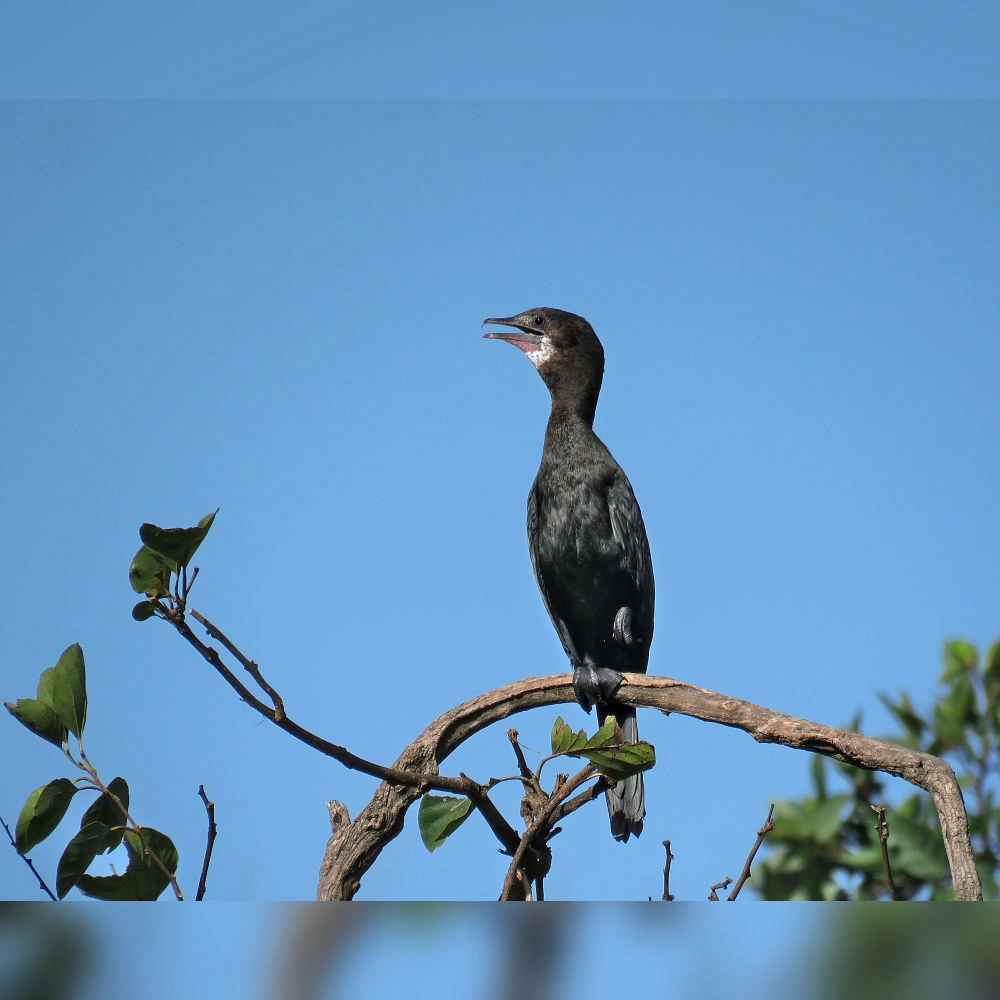
Little Cormorant

Indian Spot-billed Duck
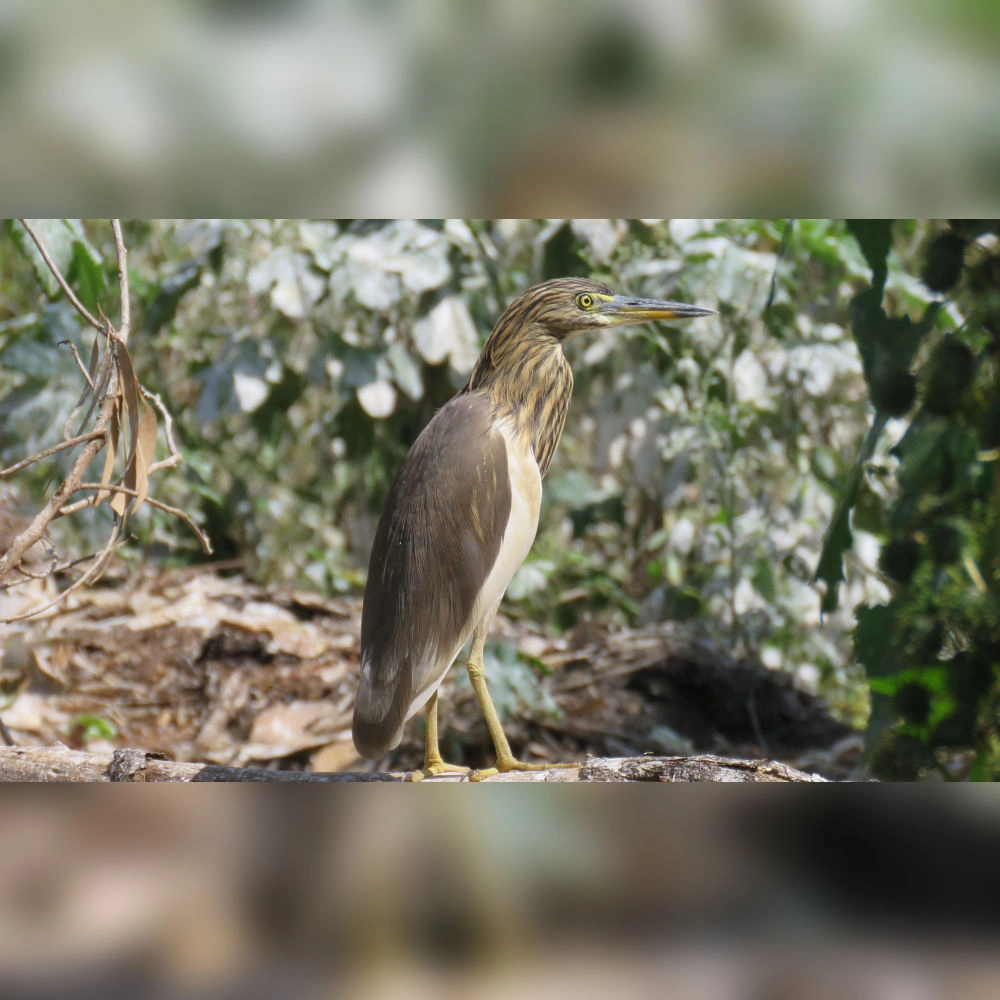
Indian Pond Heron
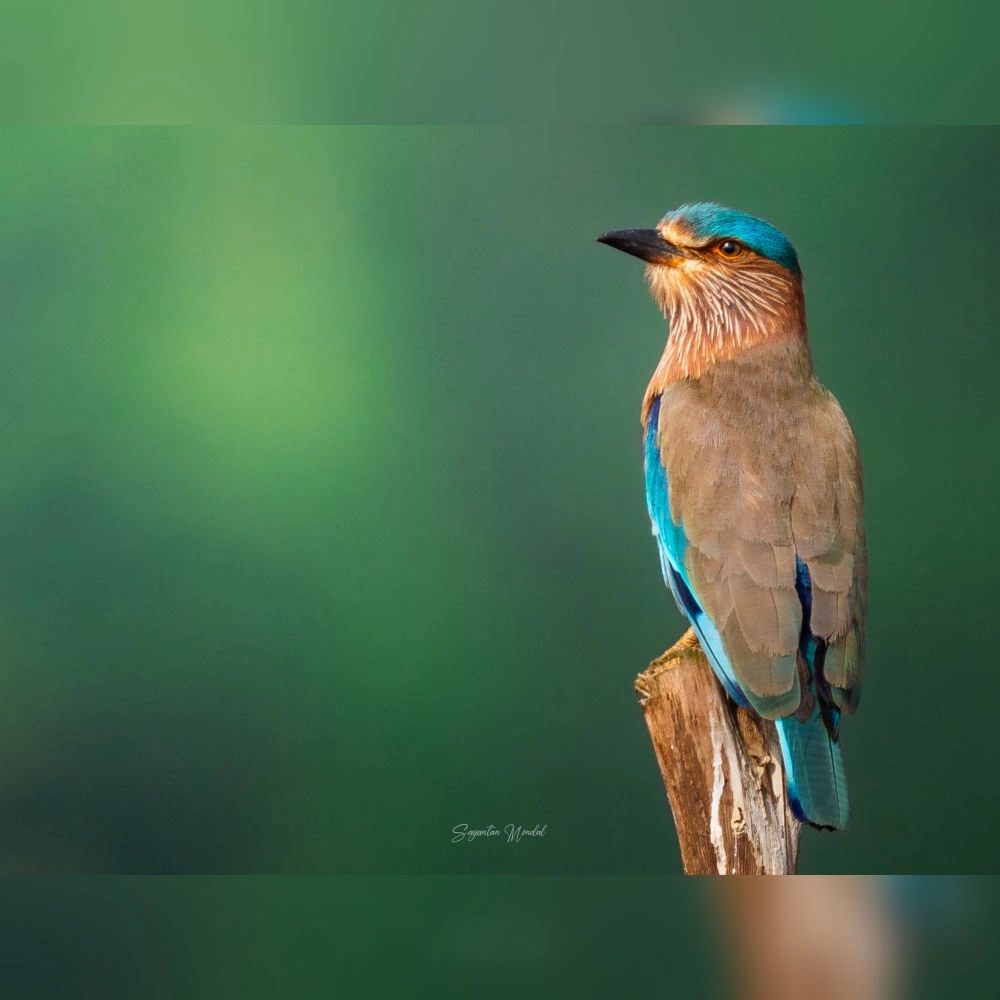
Indian Roller
White-throated Kingfisher
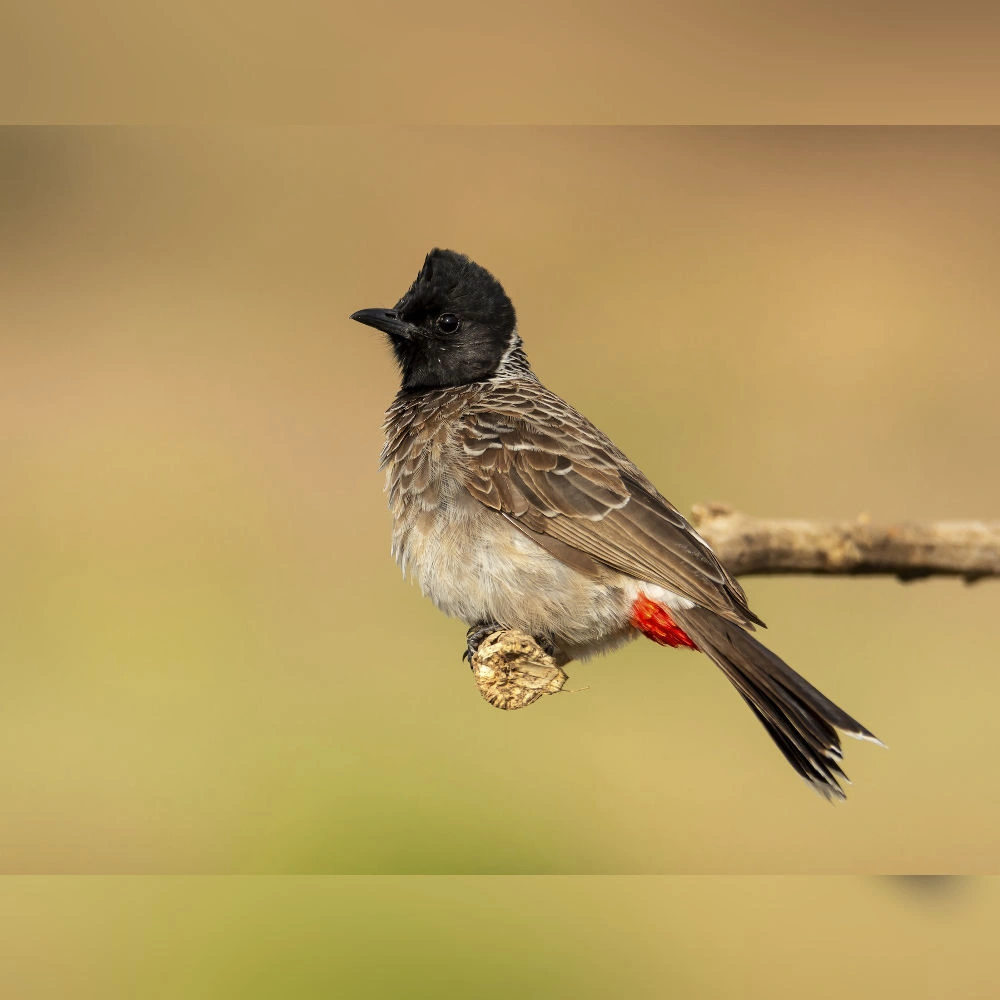
Red-vented Bulbul
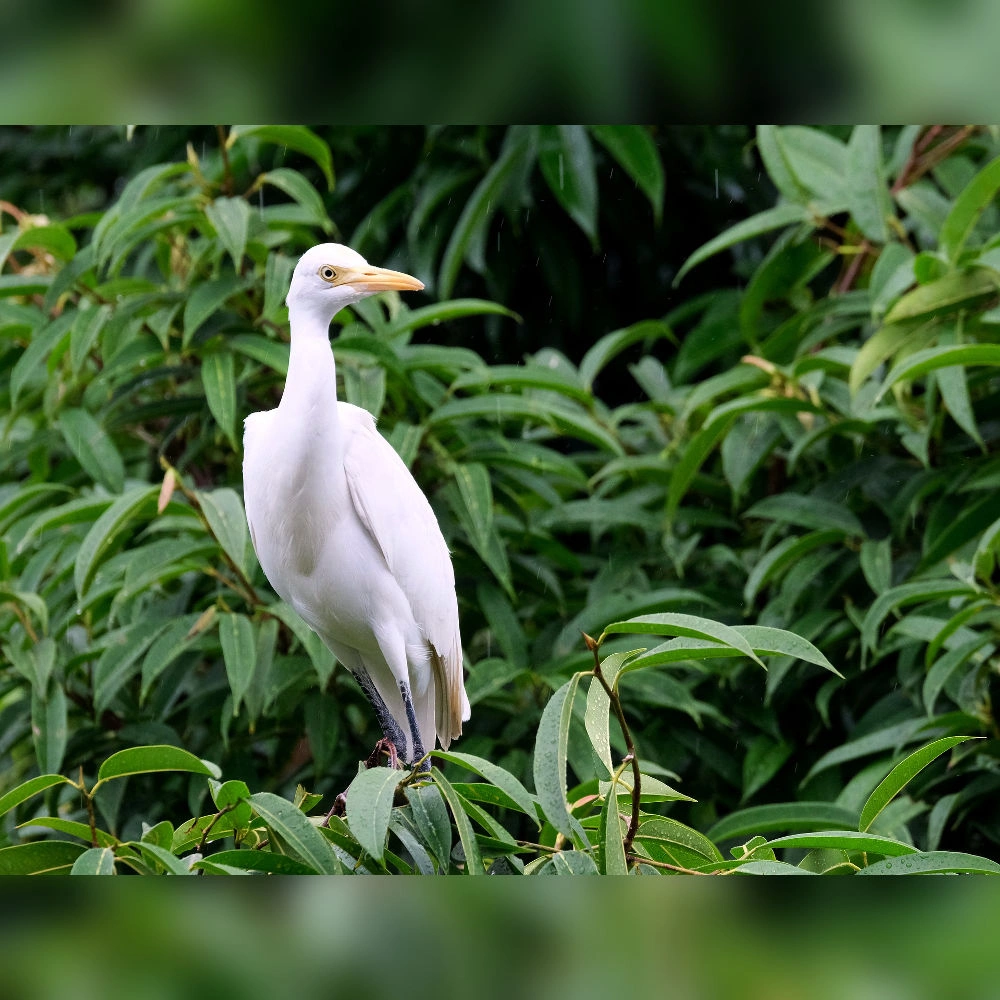
Eastern Cattle Egret
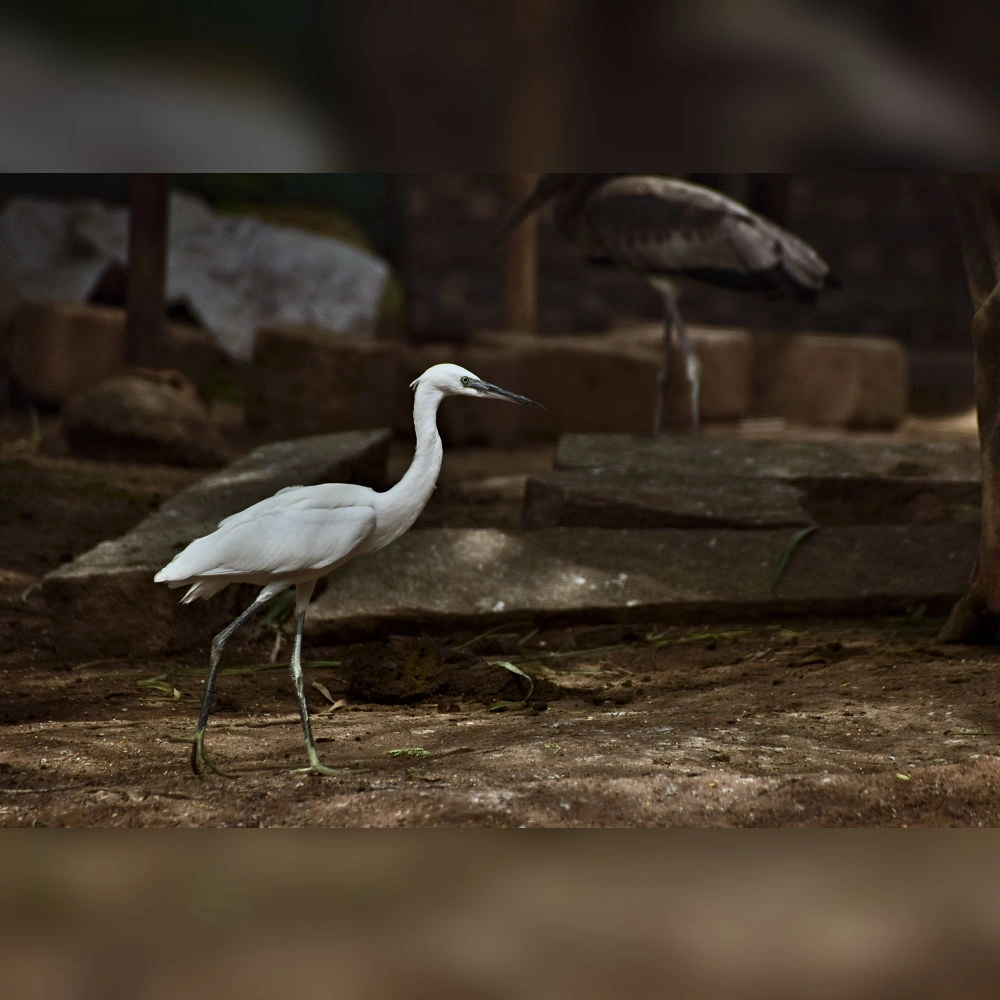
Little Egret
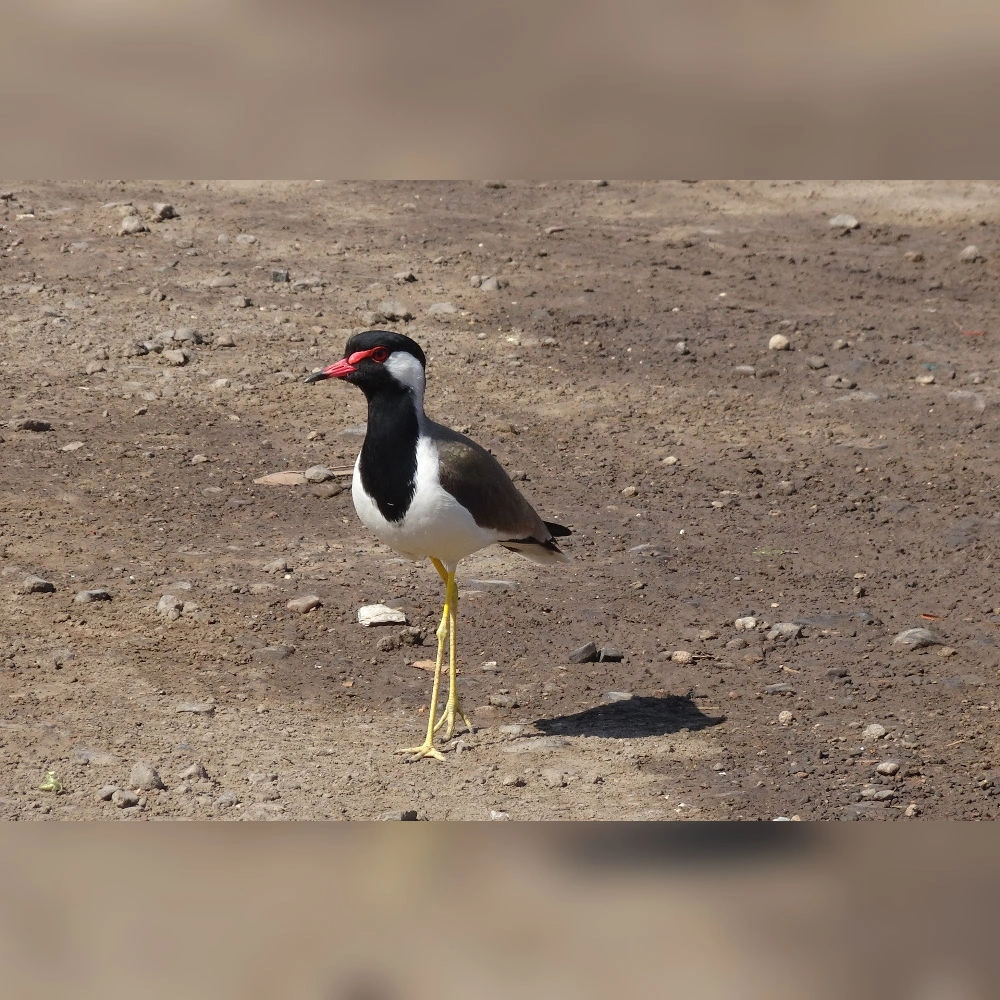
Red-wattled Lapwing
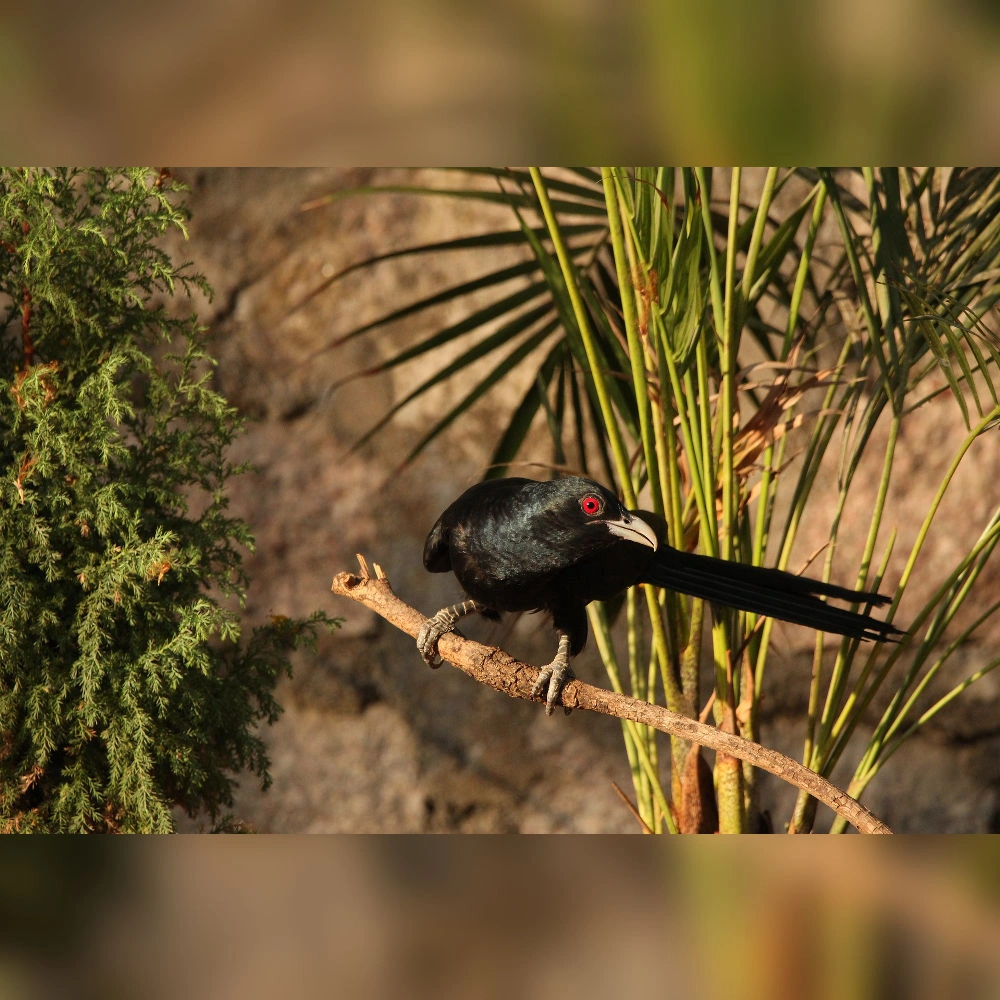
Asian Koel
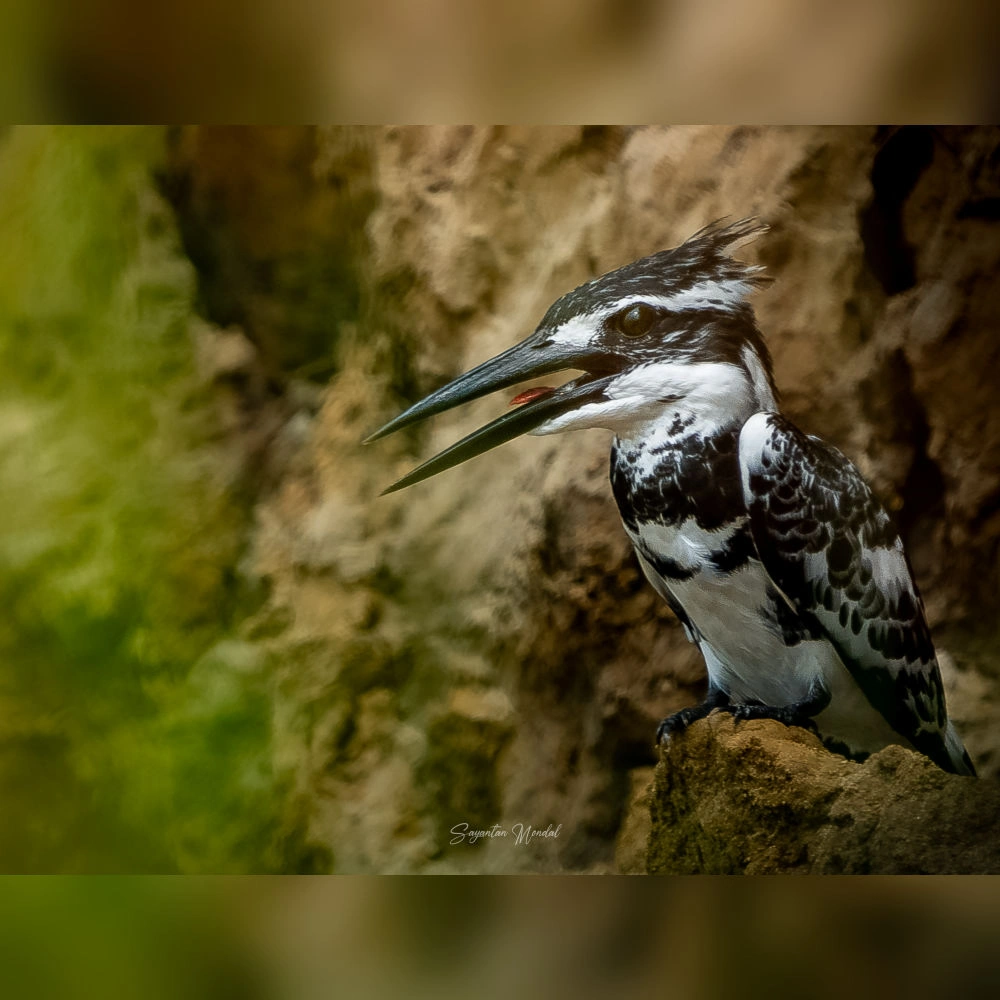
Pied Kingfisher
Grey Heron
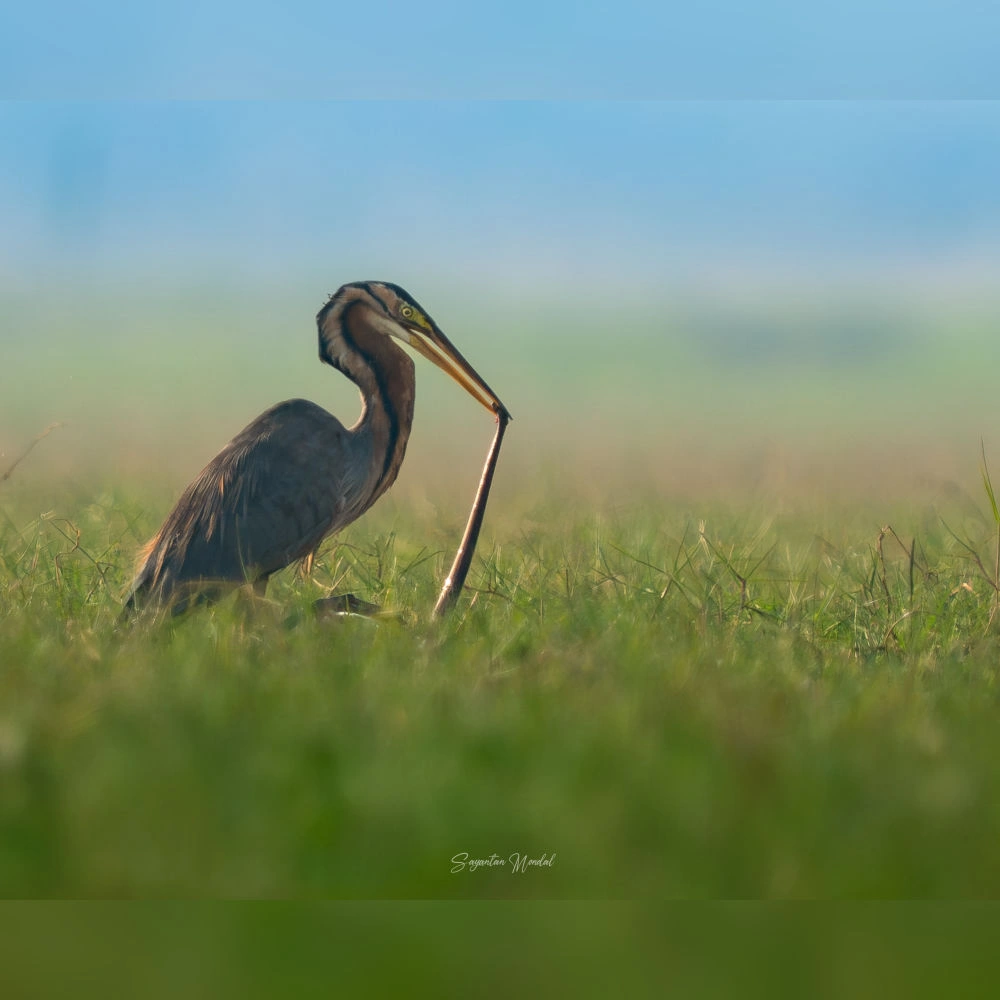
Purple Heron
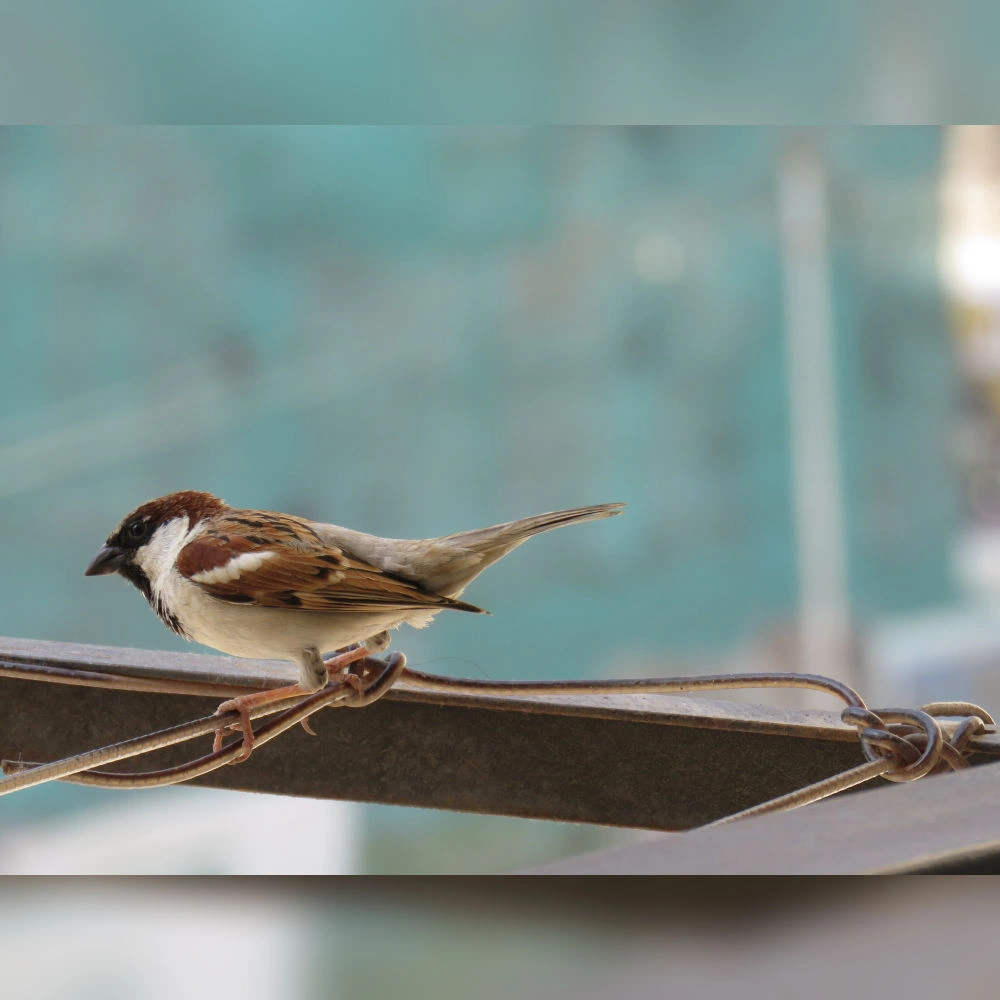
House Sparrow
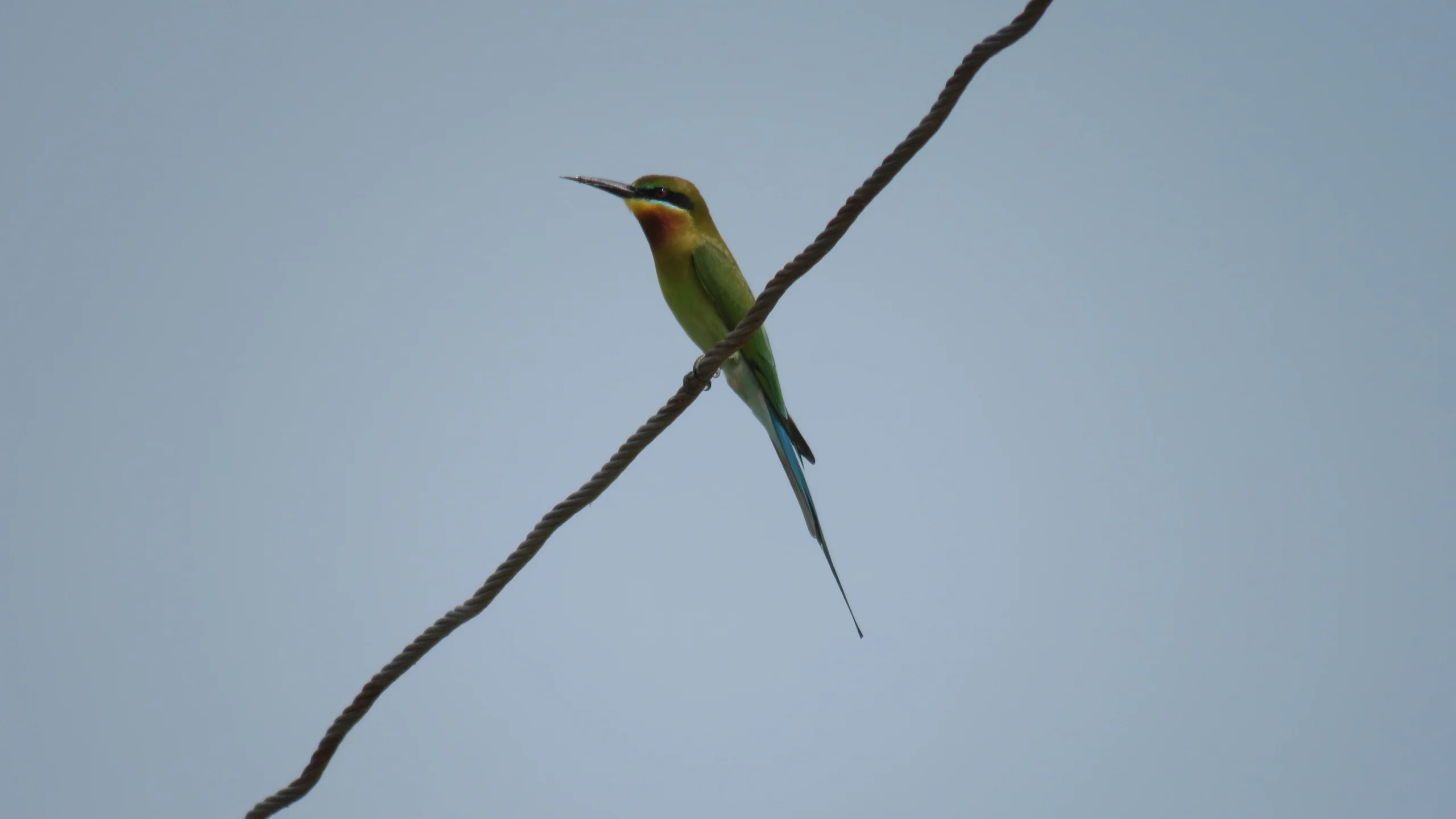
Blue-tailed Bee-eater
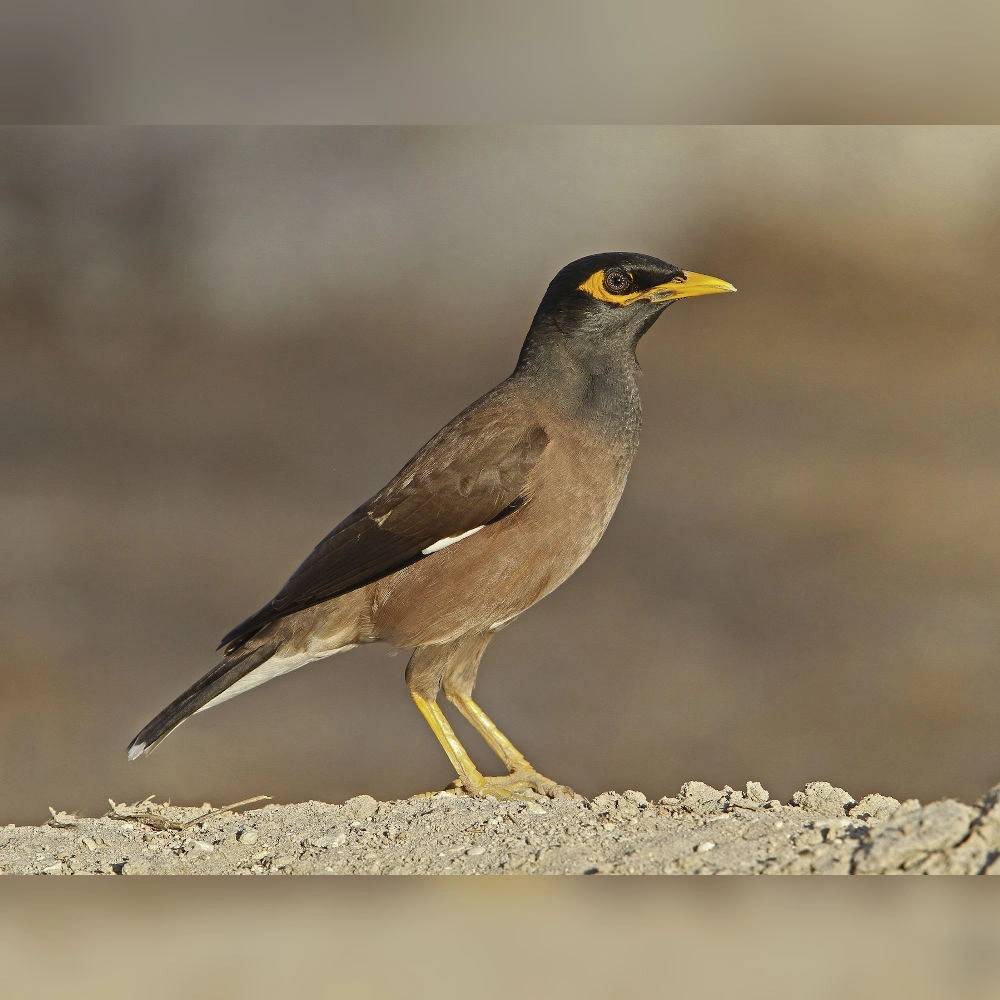
Common Myna

Summary of Walk

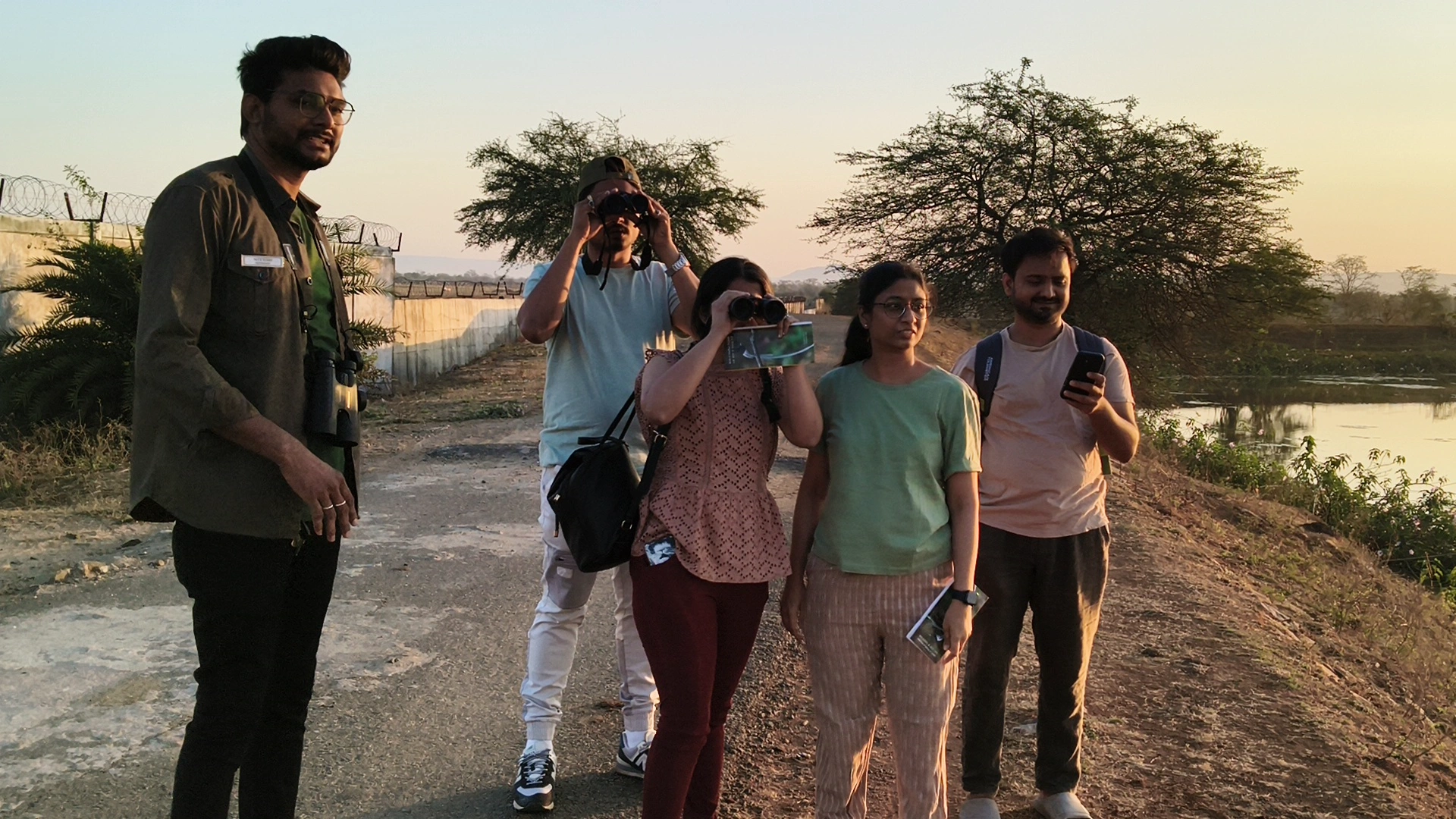
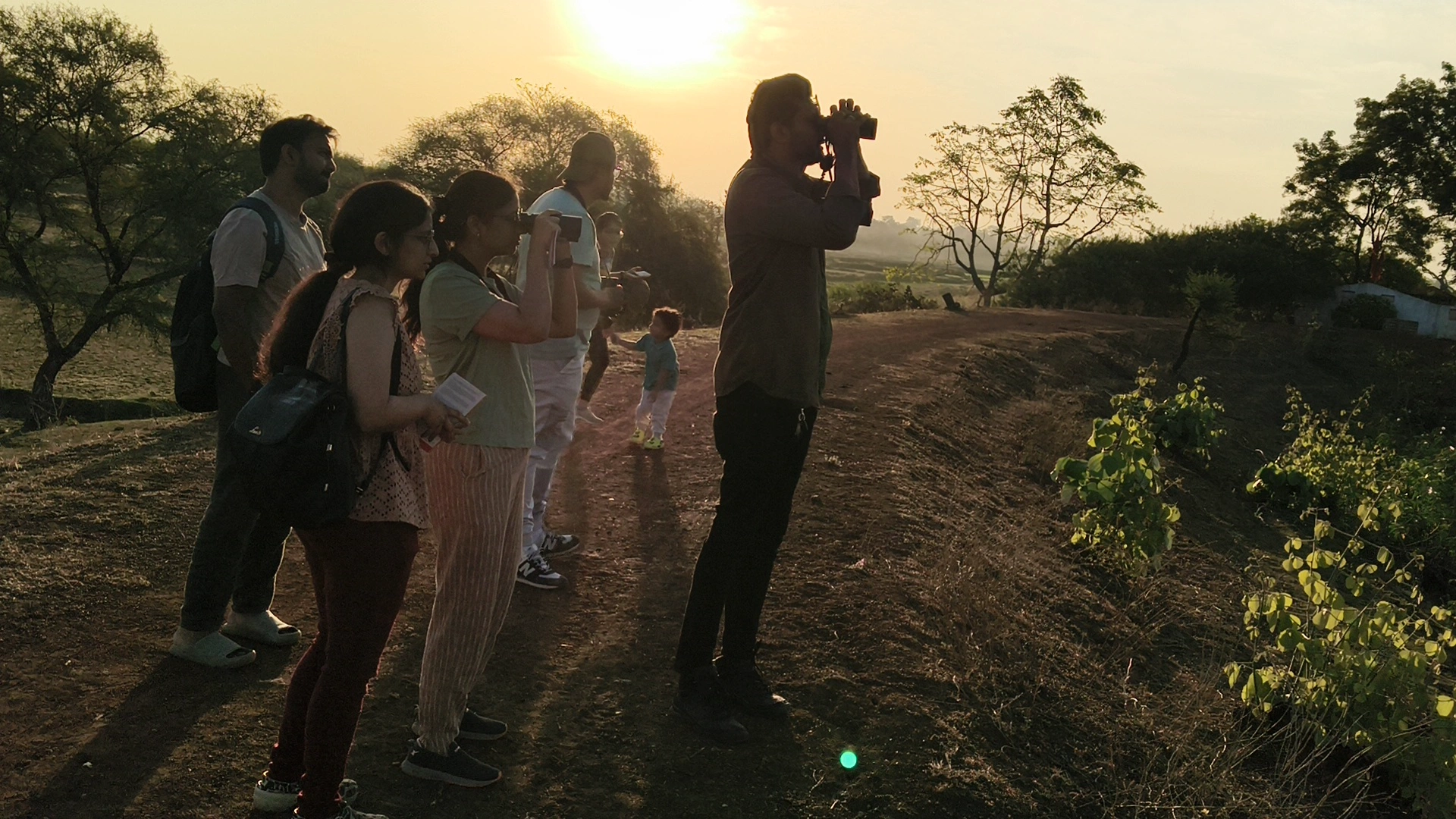
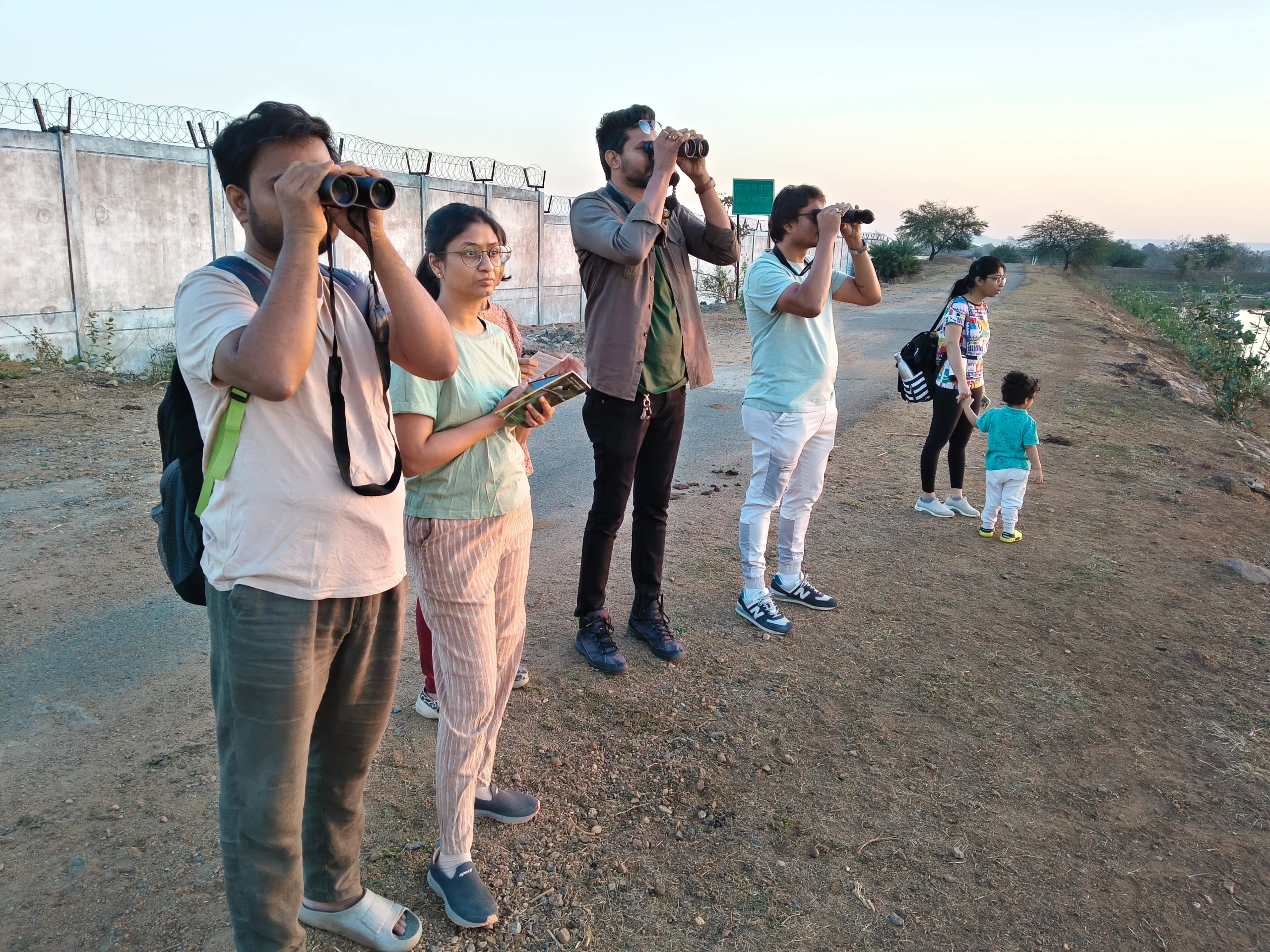
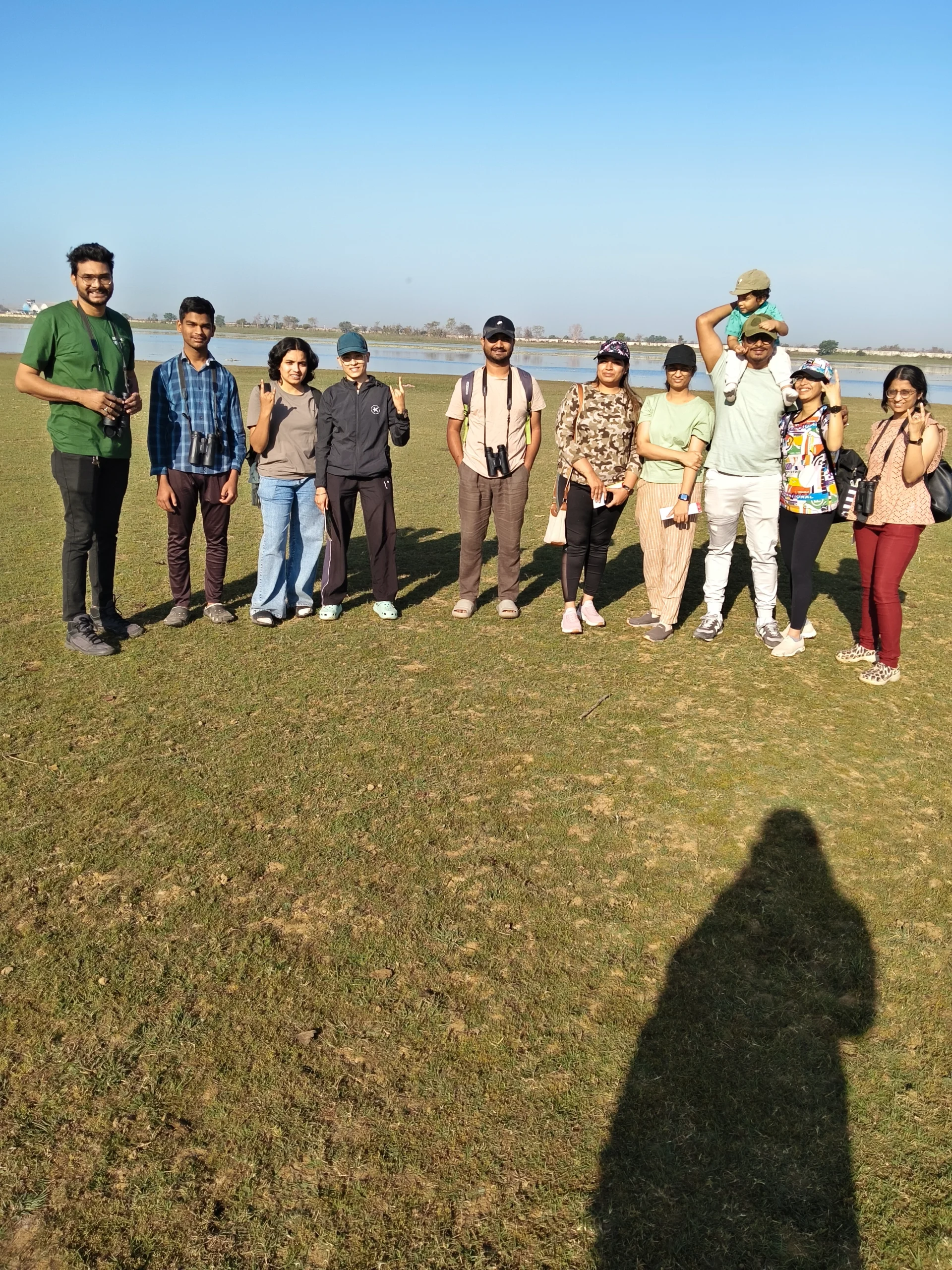
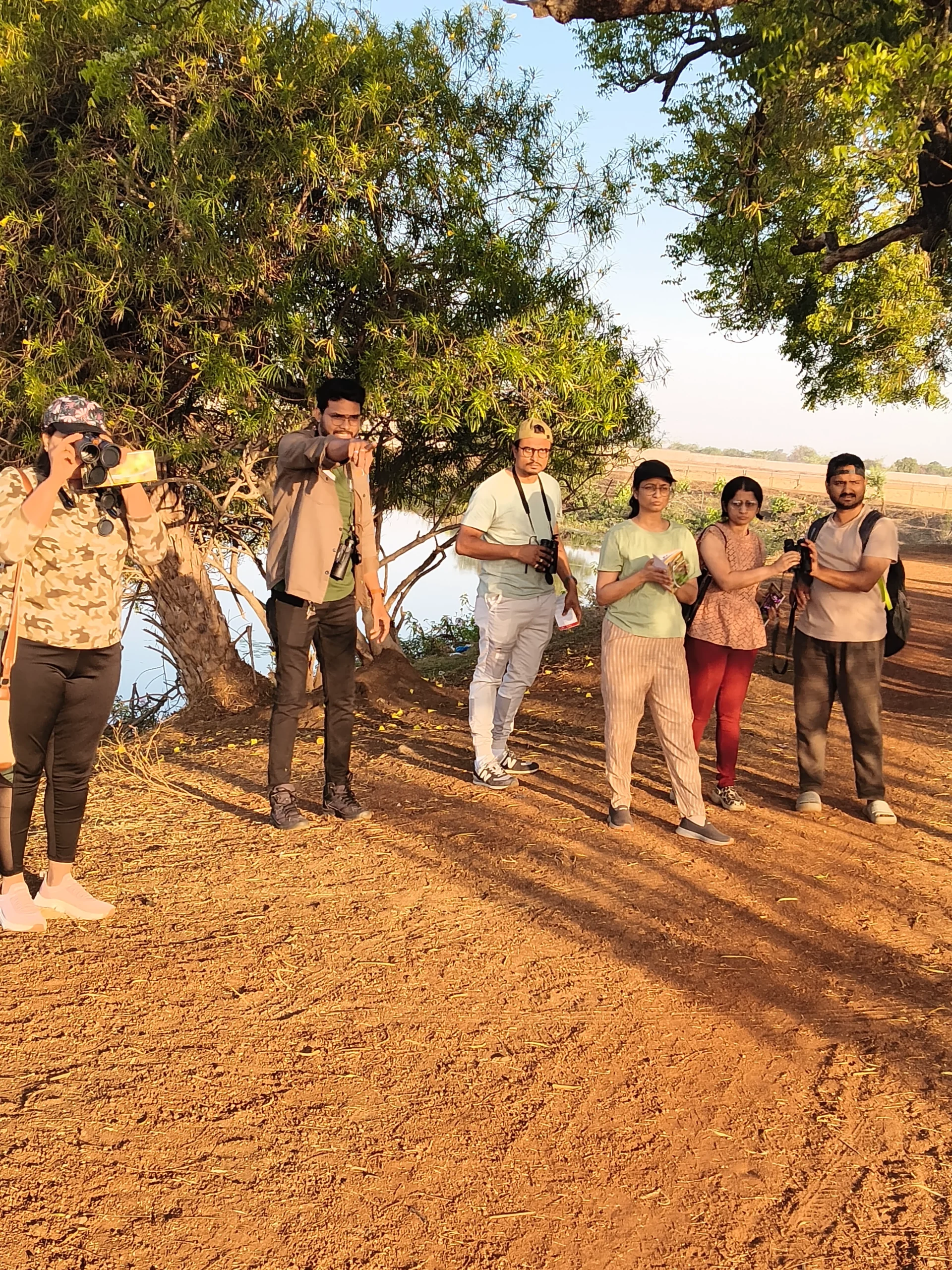
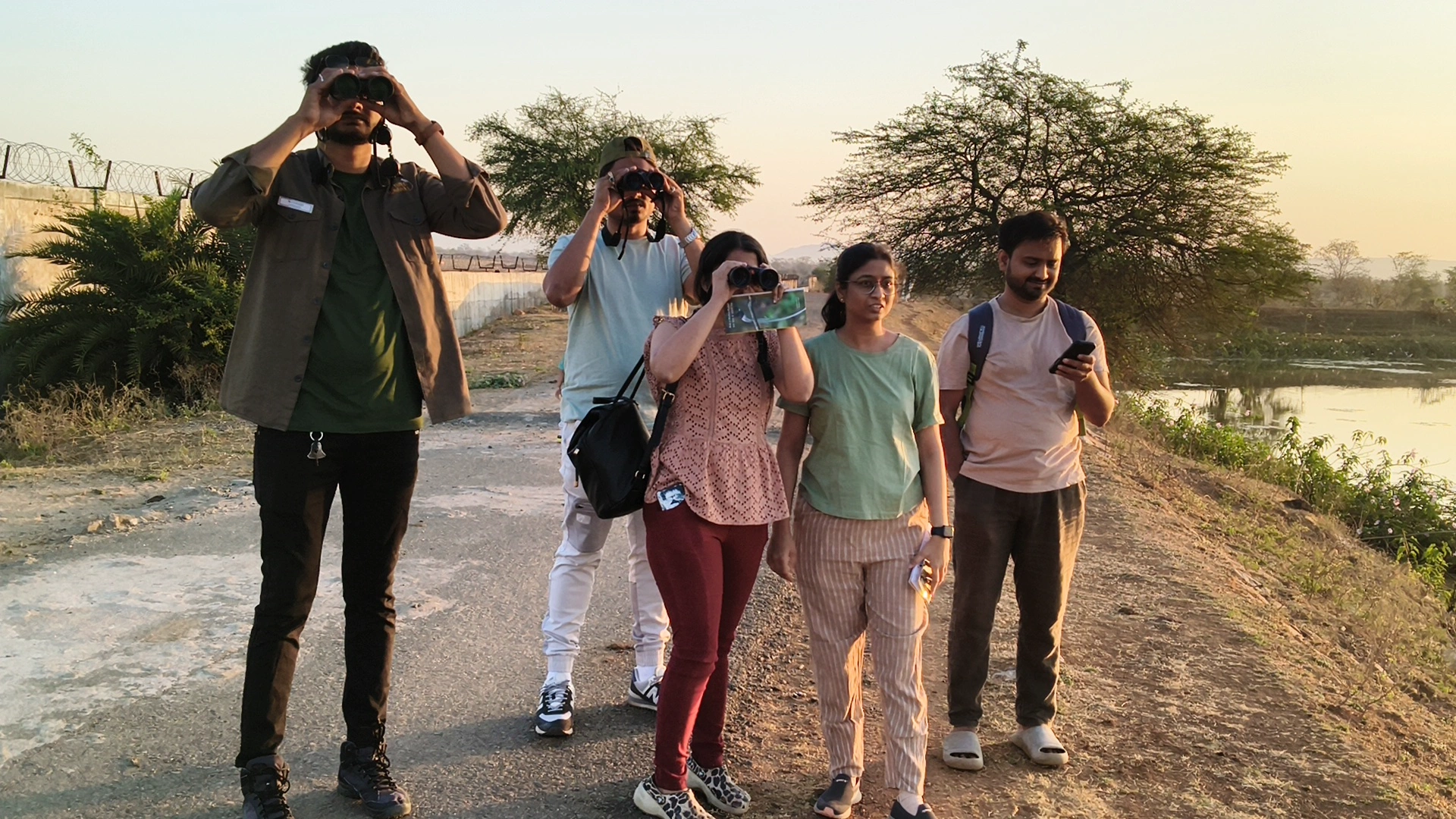
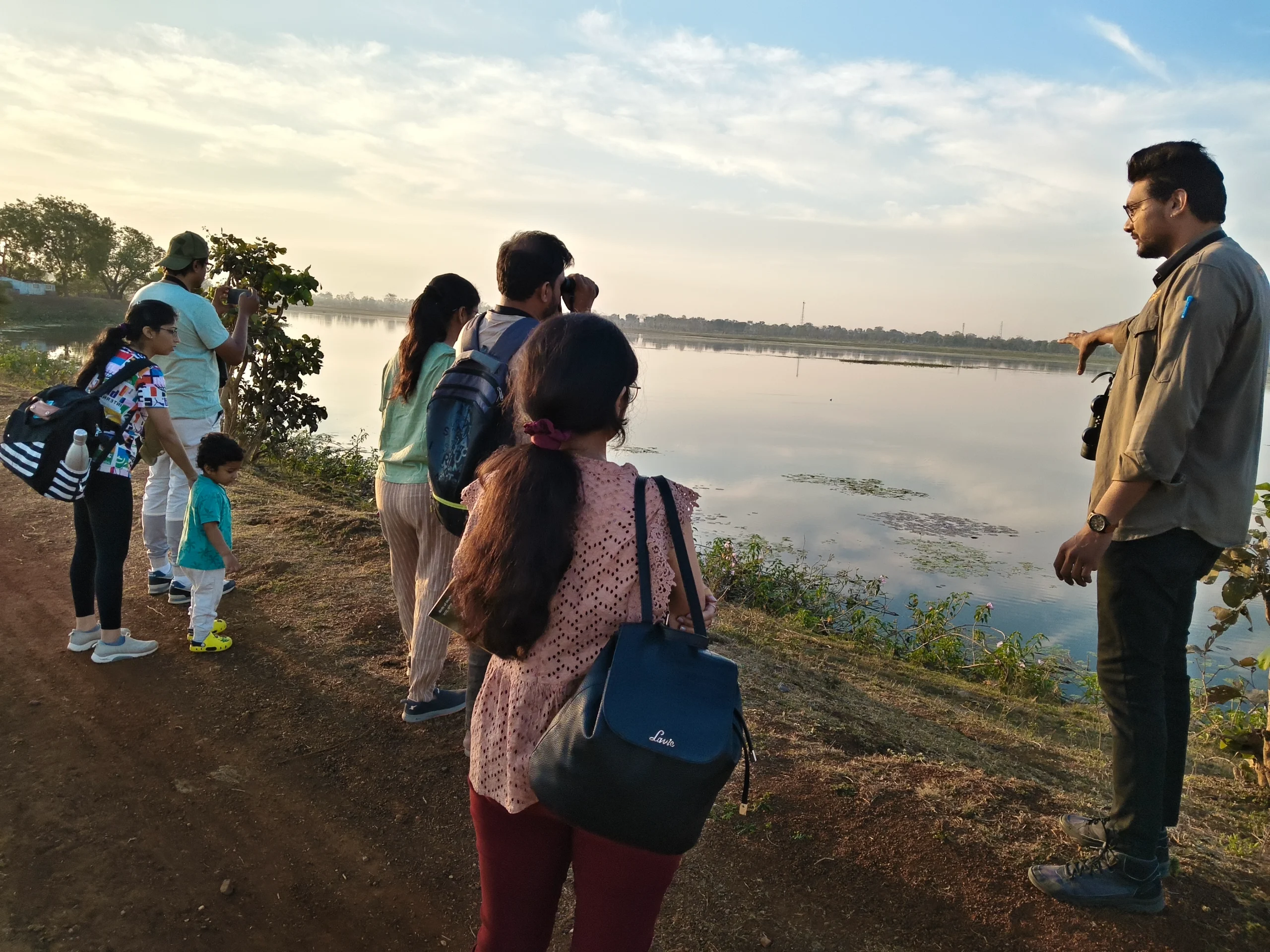
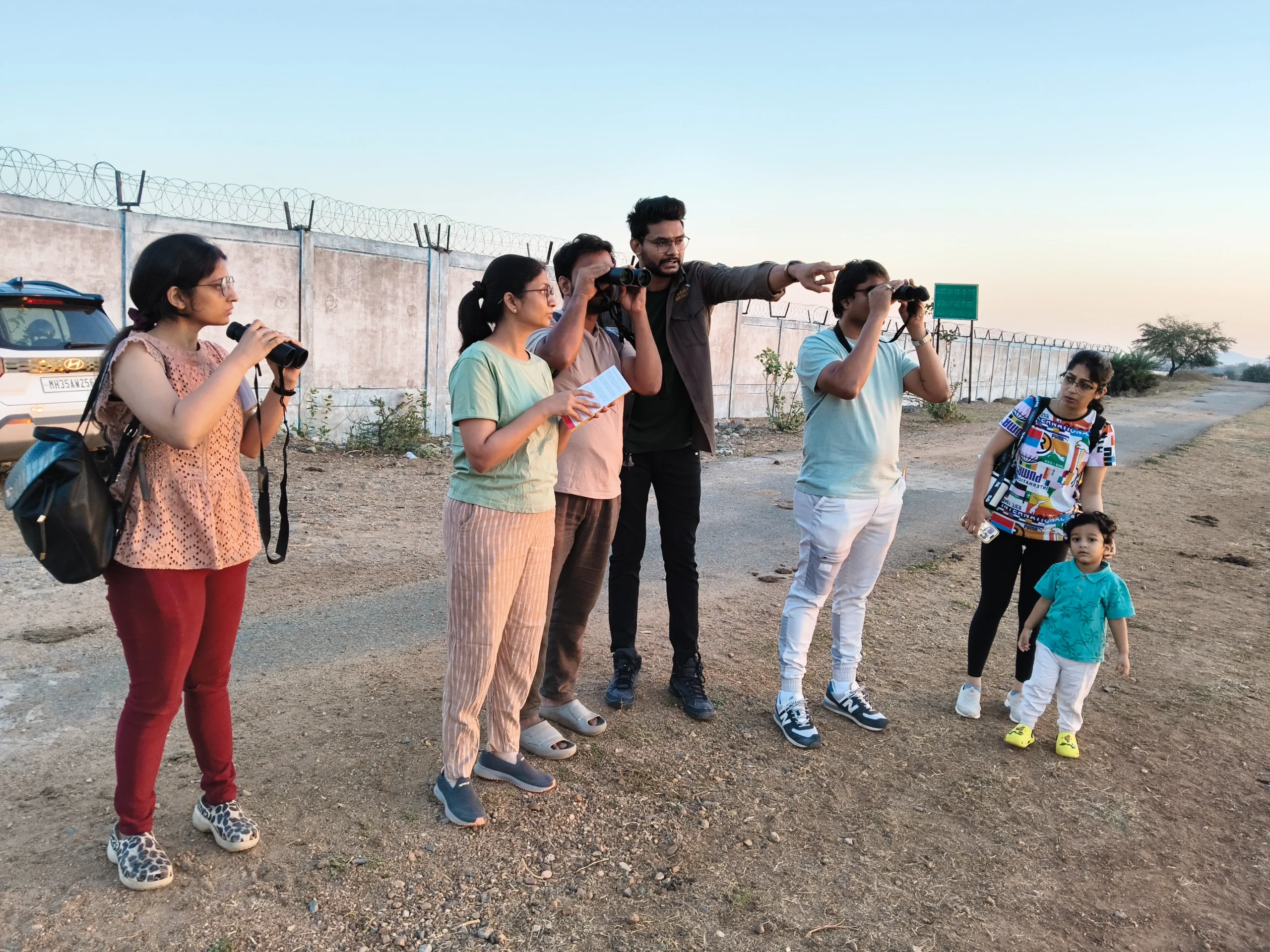
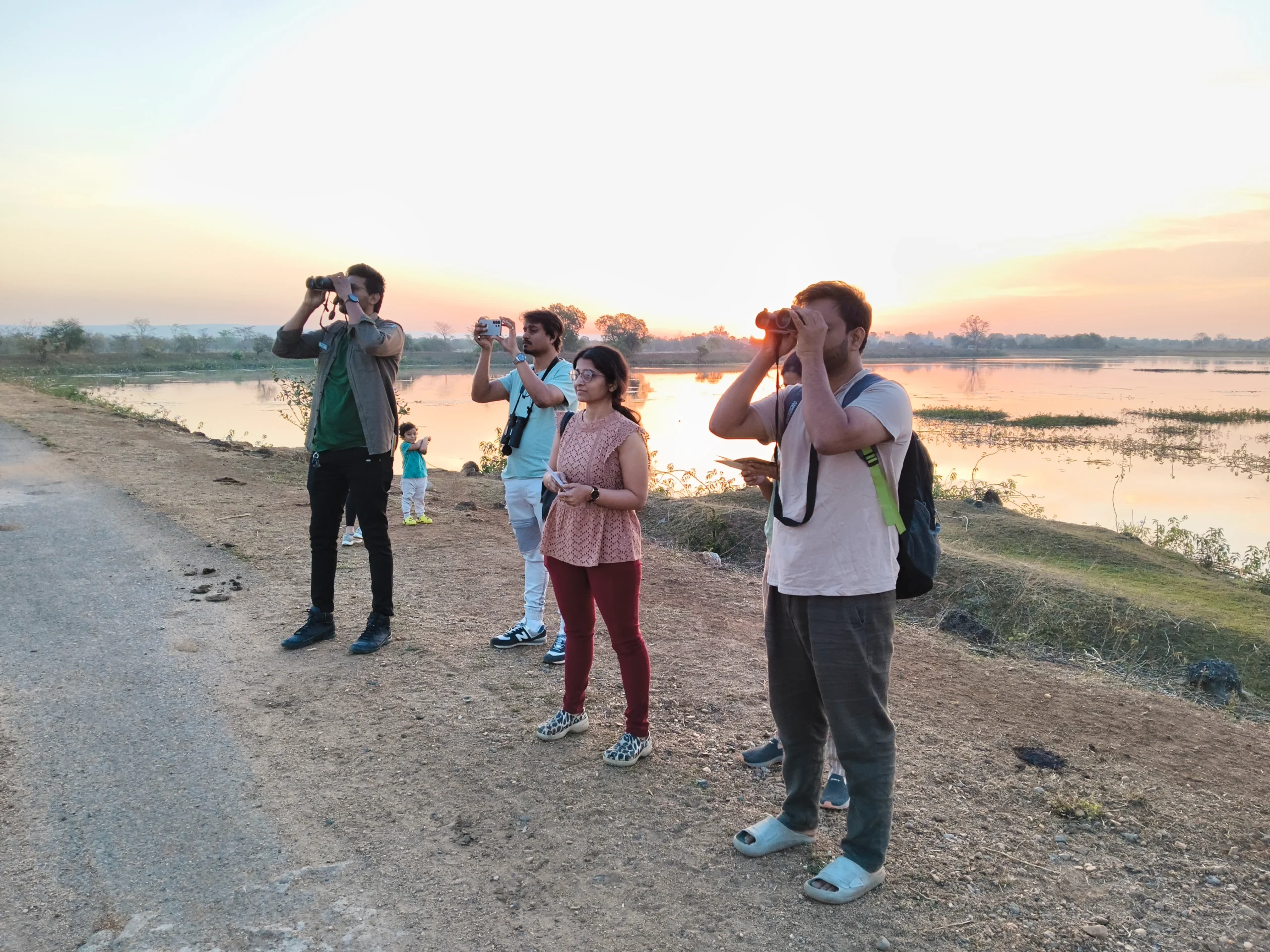
The bird walk at Zilmili Lake in Gondia, led by Nitesh Yadav, turned into an exceptionally vibrant and rewarding experience, with nine participants recording an impressive 51 species. The expansive wetland, dotted with aquatic vegetation and surrounded by greenery, created the perfect setting for birdwatching. From flocks of Lesser Whistling-Ducks gliding across the water to the elegant movements of Pheasant-tailed Jacanas, the diversity kept participants constantly engaged and excited.
A particularly unforgettable moment was watching a Pheasant-tailed Jacana walking gracefully across floating vegetation, captivating everyone present. Alongside wetland specialists like Red-naped Ibis, the walk also featured familiar species such as Jungle Babbler and Common Myna, adding a sense of familiarity and fun. The enthusiastic participation, combined with rich bird diversity and scenic surroundings, made the walk both educational and deeply inspiring, reinforcing the importance of conserving wetland ecosystems.
Number of Participants
0
Scroll to Top